



A criminal defense attorney is essential for protecting individuals facing criminal charges, ensuring that rights are upheld, deadlines are met, and evidence is accurately reviewed. Handling 90–95% of cases through plea negotiations, they examine forensic reports, identify procedural errors, and advocate in state and federal courts across cities like Los Angeles, Chicago, and Houston.
Born in 1980 in Denver, an experienced attorney guides first-time and repeat offenders through diversion programs, rehabilitation, and mitigation strategies. By combining local law expertise, courtroom representation, and evidence analysis, a criminal defense attorney safeguards fair trials, reduces penalties, and leaves a lasting legacy of client protection nationwide.
| Basics | Details |
| Rights Protection | Safeguards legal rights. |
| Legal Guidance | Advises on laws and hearings. |
| Investigation | Reviews evidence and reports. |
| Evidence Review | Detects errors and flaws. |
| Court Representation | Advocates in court. |
| Filing Motions | Challenges, evidence, or charges. |
| Trial Advocacy | Cross-examines and argues cases. |
| Plea Negotiation | Reduces charges or penalties. |
| Case Assessment | Evaluates records and sentencing. |
| First-Time Offenders | Uses diversion programs. |
| Repeat Offenders | Shows rehab and mitigation. |
| Local Expertise | Adapts to state and court laws. |
| Expert Collaboration | Consults specialists. |
| Record Protection | Seeks expungement or sealing. |
| Post-Arrest Support | Guides probation and rehab. |
| Comprehensive Defense | Integrates strategies for best outcomes. |
Importance of Hiring a Criminal Defense Attorney
Hiring a criminal defense attorney ensures legal rights are protected, procedural deadlines are met, and evidence is evaluated correctly. Without legal representation, defendants risk maximum sentences, license suspensions, or career consequences.
Attorneys navigate plea deals, court hearings, and administrative processes to help clients avoid unnecessary penalties. Experienced attorneys offer guidance for both state and federal cases across multiple U.S. locations.
Investigating Cases and Reviewing Evidence

A defense attorney conducts thorough investigations, reviewing police reports, witness statements, and forensic evidence. They examine potential errors in DNA, blood tests, or digital data and identify broken chain-of-custody procedures. By analyzing inconsistencies, attorneys create strong defenses, challenge prosecution claims, and ensure fair trials. Proper investigation increases chances of favorable plea deals or dismissal in local and state courts.
Courtroom Representation and Motions
In court, a criminal defense attorney represents clients during arraignments, hearings, and trials. They file motions to suppress illegal evidence, challenge charges, and cross-examine witnesses. Attorneys ensure compliance with the Speedy Trial Act and other procedural laws. By presenting strong arguments, questioning credibility, and protecting constitutional rights, they increase the likelihood of reduced sentencing, favorable plea agreements, or acquittal.
Plea Bargaining and Negotiation
- Approximately 90–95% of criminal cases are resolved through plea bargains rather than trials.
- A criminal attorney negotiates with prosecutors to reduce felony charges to misdemeanors, shorten probation, or minimize fines.
- Attorneys consider the strength of the evidence, prior records, and local sentencing practices.
- Effective negotiation avoids lengthy trials and ensures clients face fair, proportionate consequences while protecting future opportunities.
Roles And Responsibilities
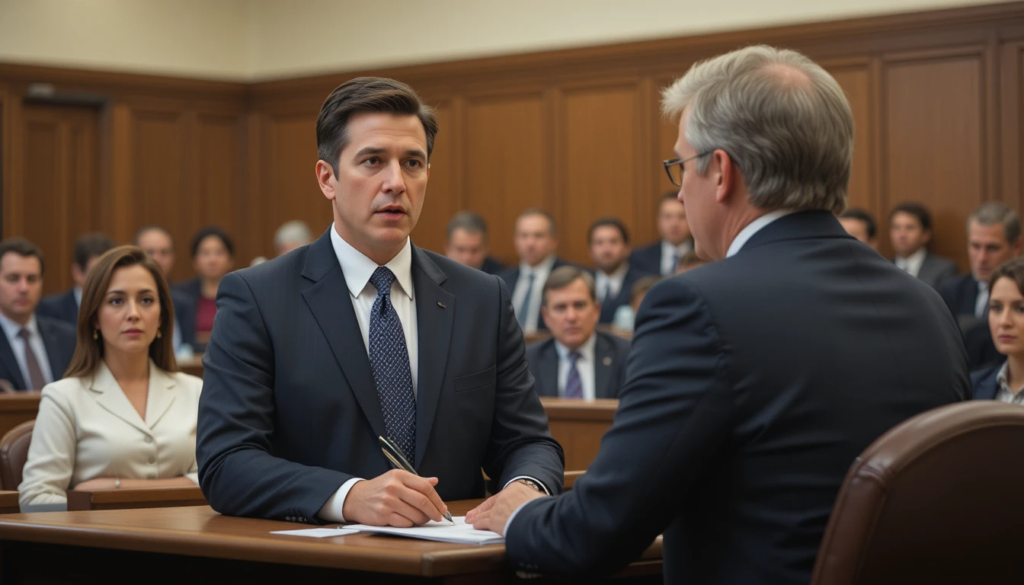
- A defense attorney protects clients’ rights, reviews evidence, and navigates court procedures.
- They handle plea negotiations, file motions, consult experts, and represent clients in hearings or trials.
- Attorneys guide first-time and repeat offenders, manage record protection, and provide post-arrest support.
- Their expertise ensures fair outcomes, reduces penalties, and safeguards clients’ futures in both state and federal courts.
Handling First-Time and Repeat Offenders
A criminal defense attorney adapts their strategies based on a client’s history. First-time offenders may qualify for diversion programs, community service, or education classes to avoid jail. Repeat offenders often need evidence of rehabilitation, employment records, or counseling completion to reduce penalties.
Attorneys focus on protecting long-term interests and ensuring that mitigation strategies align with local sentencing guidelines in states like California, Texas, and New York. A criminal defense attorney provides essential legal representation and courtroom expertise, ensuring rights protection and developing a strong case strategy.
Knowledge of Local Laws and Courts

Laws, sentencing practices, and court procedures differ by state and county. A defense attorney must understand local rules, judicial tendencies, and prosecutorial patterns to craft effective strategies. In Utah, for example, DUI penalties are stricter than the national average, while New York’s theft laws vary by region. Local expertise increases the chances of reduced penalties or favorable outcomes.
Managing Evidence and Expert Testimony
A criminal defense attorney evaluates all evidence, including DNA, toxicology, or digital records. They consult experts, such as forensic analysts, to challenge technical findings. Expert testimony can clarify evidence, expose flaws, and create reasonable doubt. Proper evaluation strengthens defenses against felony and misdemeanor charges in major cities like Los Angeles, Chicago, or Houston, as well as smaller municipalities.
Protecting Client Records and Future Opportunities
- Criminal convictions can affect employment, housing, and professional licensing.
- A defense attorney works to seal records, expunge charges, or negotiate reduced sentencing.
- Attorneys guide clients through administrative processes to minimize collateral consequences.
- Protecting a client’s reputation, career, and personal life is a critical aspect of defense work, particularly in states like Florida or Texas, where public records are widely accessible.
Supporting Clients Beyond Courtroom Defense

A defense attorney provides advice beyond legal representation, including post-arrest procedures, court interactions, and rehabilitation programs. They help clients understand sentencing, probation requirements, or diversion options. Attorneys also assist in community service or counseling programs to show mitigation. This comprehensive approach supports long-term outcomes and reduces the risk of recidivism.
Conclusion
A criminal defense attorney protects clients’ rights, reviews evidence, and guides them through court proceedings. By handling plea negotiations, supporting rehabilitation, and applying local law expertise, they help reduce penalties for first-time and repeat offenders. Their dedication ensures fair outcomes, safeguards futures, and leaves a lasting impact on justice, making their role essential in both state and federal legal systems.
Want to know about Why Las Vegas Residents Trust the Law Office of Joel M. Mann for Their Legal Needs Check out our Criminal Law category.
FAQs
They review police reports, witness statements, forensic results, and digital records, checking for errors or broken chain-of-custody issues to strengthen the defense and challenge the prosecution’s claims.
They explore diversion programs, educational courses, or community service alternatives to reduce jail time and offer first-time offenders a fair chance at rehabilitation.
Attorneys present evidence of rehabilitation, employment, and counseling completion, aiming to reduce penalties while considering long-term outcomes in line with local sentencing rules.

