

Fireball Lawsuit
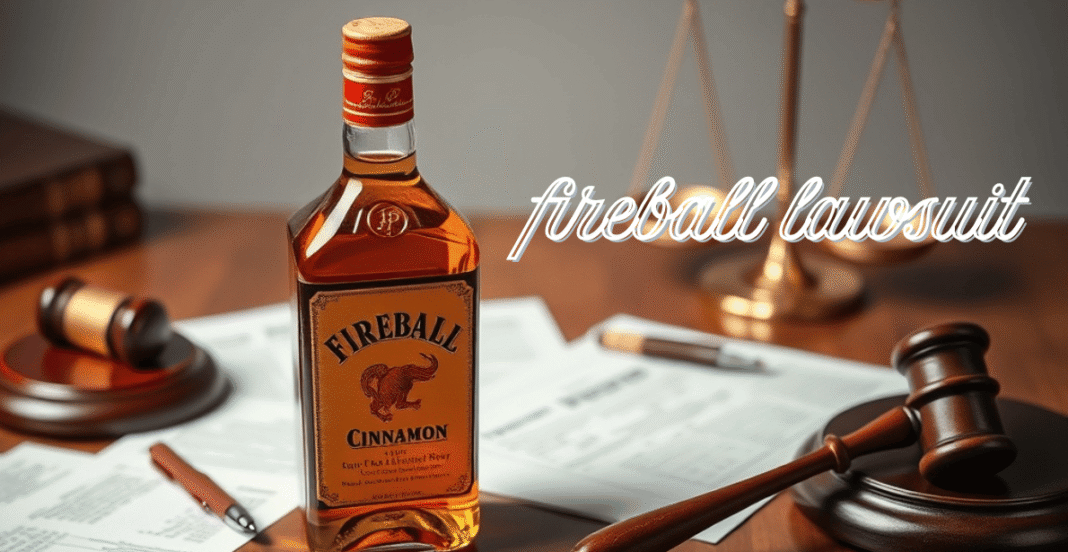
Filed in January 2023 under the case Marquez v. Sazerac Company, Inc., the Fireball lawsuit alleges that the brand has violated consumer fraud statutes and misled buyers through deceptive labeling.
The case remains active, with class certification granted for related labeling disputes involving Fireball and other malt-based beverages. The controversy has sparked nationwide discussions about transparency in alcohol labeling, consumer rights, and the responsibility of companies to clearly communicate what their products contain.
This article provides a comprehensive overview of the Fireball lawsuit, including key details about the no-alcohol claims, the current status of the settlement, payout eligibility, and how consumers can file an official claim form once the process opens.
It also explores why this case matters for both consumers and the wider beverage industry.
| Section | Overview Summary |
| Filed | The Fireball Lawsuit began in January 2023 as Marquez v. Sazerac Company, Inc. |
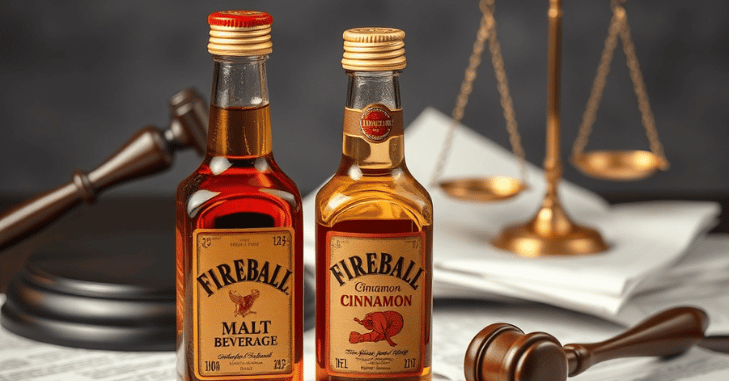
| Core Issue | The Fireball lawsuit argues that mini bottles appeared to be whisky but were actually malt-based drinks. |
| Case Status | The Fireball Lawsuit remains active in 2025 with no confirmed payout. |
| Main Claim | The Fireball Lawsuit states that the label “Malt Beverage With Natural Whisky & Other Flavors” misled buyers. |
| Eligibility | Under the Fireball Lawsuit, eligible consumers include those who purchased Fireball Cinnamon mini-bottles during the disputed period. |
| States | The Fireball Lawsuit currently covers Illinois, North Dakota, and Idaho. Additional Fireball Lawsuit states may be added depending on rulings. |
| Claim Process | Once approved, the Fireball Lawsuit claim form will appear on an official court site. The Fireball Lawsuit claim process requires basic purchase details. |
| Proof | The Fireball Lawsuit typically does not require proof, but keeping receipts or photos helps. |
| Tips | Follow the Fireball Lawsuit updates, keep receipts, and submit early. |
| Outcome | The Fireball Lawsuit is still ongoing with no settlement announced. Consumers should track the Fireball lawsuit updates for new claim details. |
Key Issues & “No Alcohol” Claims

- The main claim focuses on Fireball Cinnamon mini-bottles, which do not contain actual whisky despite their similar branding.
- The packaging used wording such as “Malt Beverage With Natural Whisky & Other Flavors,” which plaintiffs argue misled buyers into believing they were purchasing distilled spirits.
- The dispute centers on the difference between “natural whisky” flavor and real whisky content, which consumers might not easily recognize.
- This controversy highlights confusion between malt beverages and distilled spirits, especially when sold under the same brand name.
- Plaintiffs assert that the labeling deceptively created an impression that all Fireball products contained whisky, when only certain ones did
Consumer Impact and Industry Implications of the Fireball Lawsuit
The Fireball lawsuit highlights growing consumer concerns about transparency in product labeling, particularly within the alcoholic beverage industry. Many buyers argue that branding and packaging can strongly influence perception, especially when terms like “whisky” appear prominently despite the product being a malt-based beverage.
This case underscores the legal expectation that companies must clearly and accurately communicate what their products contain to avoid misleading consumers. Beyond individual claims, the lawsuit has broader implications for the industry, as it may encourage stricter labeling standards and more careful marketing practices across similar flavored alcohol products.
Status of Settlement & Lawsuit Outcome
As of the latest update, the Fireball lawsuit has not yet reached a final settlement. Some reports suggest that the case was voluntarily dismissed by plaintiffs in May 2023; however, related legal actions continue in other states.
Broader litigation involving class certifications in similar malt-beverage labeling disputes remains active as of late 2025. So far, no confirmed settlement amount or payout structure has been made public.
Payout Eligibility in the Fireball Lawsuit
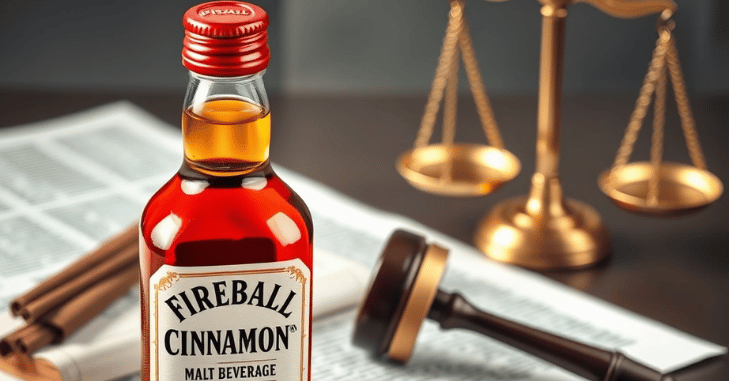
If a settlement is approved, eligible consumers may include individuals who purchased the specific Fireball Cinnamon product at the center of the lawsuit. Eligibility typically depends on meeting certain conditions related to purchase, location, and filing deadlines.
Qualifying Purchases
To qualify for compensation under the Fireball lawsuit, consumers must have purchased Fireball Cinnamon mini-bottles that were marketed as containing whisky but instead included a malt beverage formulation. These purchases must align with the period defined in the class-action settlement.
Eligible States
Eligibility may be limited to residents of states involved in the lawsuit, such as Illinois, North Dakota, or Idaho, depending on the court’s certification rulings. Consumers outside these states should monitor updates to see if additional jurisdictions are added.
Claim Submission Requirements
Participants must submit a valid claim form before the deadline established by the settlement administrator. Late submissions are typically not accepted, so monitoring official announcements is essential.
Proof of Purchase
In many class-action settlements, proof of purchase is not required. However, claimants may need to provide specific details such as the store name, purchase location, and approximate date.
Official Claim Form Process & Deadlines
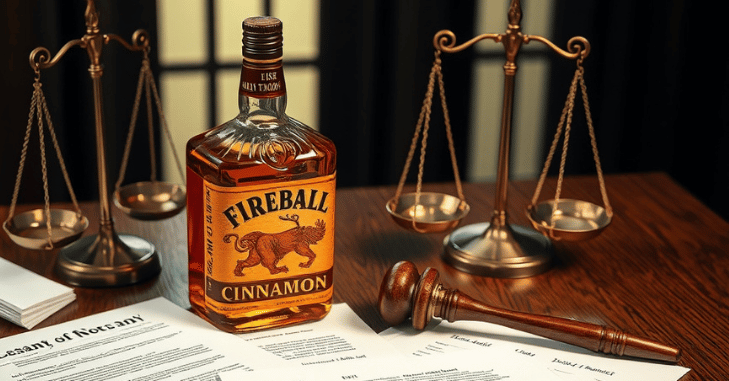
Once a settlement is finalized in the Fireball lawsuit, an official claim form will be made available online through a designated settlement website authorized by the court. Consumers will be able to complete the claim either online or by mail after the notice is published.
To file, claimants must provide key information such as the date and place of purchase, the type of Fireball product bought, and the number of bottles purchased during the qualifying period. It is essential to submit the form before the official filing deadline, as late submissions are typically not accepted.
What Consumers Should Do Now?
To stay protected and prepared, consumers can take these proactive steps:
- Stay informed. Follow official updates on class-action news platforms and court documents.
- Keep receipts or packaging. Retain any evidence of your Fireball purchases during the disputed period.
- Verify sources. Only file claims through official, court-approved websites.
- Avoid scams. Be wary of emails or social media ads asking for fees to join a lawsuit. Legitimate claims are always free.
- Act promptly. When deadlines are announced, file early to avoid disqualification or processing delays.
Why This Case Matters
- The Fireball lawsuit underscores the importance of transparency in beverage labeling and honest advertising.
- It raises awareness about brand extensions when a company uses a popular brand name on products with different alcohol contents or ingredients.
- The outcome could set new standards for alcohol labeling and marketing in the U.S. beverage industry.
- It also highlights consumer rights, ensuring that packaging and branding do not mislead or confuse buyers about product content.
- If settled, this case could influence how companies disclose alcohol type and concentration in smaller or alternative versions of their products.
Conclusion
The Fireball lawsuit has become one of the most closely followed consumer cases, highlighting how product labeling can influence and sometimes mislead buyers. This legal dispute centers on the marketing of Fireball Cinnamon mini-bottles, which many believed contained whisky when they were actually malt-based beverages designed to resemble Fireball Whisky.
The Fireball lawsuit remains active but not yet settled, with no official payout structure, settlement amount, or claim form released. The court continues to assess whether Fireball’s packaging and labeling practices violated consumer protection and advertising laws.
Eligible consumers, particularly those who purchased Fireball mini-bottles marketed as whisky, should stay updated on official court announcements.
FAQs
The lawsuit claims that Fireball Cinnamon’s branding as ‘With Natural Whisky, Other Flavors’ is likewise misleading.
Concerns about Fireball’s excessive use of propylene glycol led Norway, Sweden, and Finland to withdraw it from retailers in 2014.
Fireball is completely safe to drink. Fireball has no antifreeze at all; thus, the suggestion is ludicrous.

