



Introduction
Squatting is a complicated and often confusing legal issue. Florida squatter law is complex and stems from adverse possession statutes allowing individuals to claim property ownership under specific conditions. To legally take possession, a squatter must occupy the property openly, continuously, and without permission for at least seven years while also paying property taxes.
House Bill 621, signed into law in 2024, enables law enforcement to remove squatters within 24 hours if they unlawfully occupy a property. Unlike tenant protections, squatters do not have legal rights if they trespass without following adverse possession rules.
Property owners should swiftly file police reports, eviction notices, or civil actions to reclaim their property. In Florida, squatter laws determine how someone might claim property ownership through adverse possession.
This article explores Florida squatter law, covering legal rights, potential risks, and ways property owners can protect their properties. We will also clarify the differences between squatting and trespassing, debunk common myths, and discuss the legal impact for squatters and property owners.
| Aspect | Details |
|---|
| Florida Squatter Law | A squatter is someone who occupies a property without the owner’s permission. |
| Adverse Possession | Squatters can claim ownership if they meet specific legal requirements. |
| Time Requirement | 7 years of continuous occupation is required for adverse possession. |
| Payment of Property Taxes | Required for the entire 7-year period to claim adverse possession. |
| Exclusive & Open Possession | The squatter must live on the property openly and without sharing control with others. |
| Hostile Possession | Possession must be without the owner’s consent but not necessarily aggressive or illegal. |
| Notorious & Obvious Use | The squatter must use the property in a way that is obvious to the public and the owner. |
| How to Remove a Squatter | Property owners can file an unlawful detainer lawsuit or eviction proceedings. |
| Criminal Charges | If a squatter breaks in, they can be charged with trespassing or burglary. |
| Preventing Squatting | Owners should secure vacant properties, inspect them regularly, and take legal action if needed. |
Core Elements of Florida’s Squatter and Adverse Possession Laws
Under Florida law, the concept of squatters’ rights is closely tied to the doctrine of adverse possession, which is a legal path by which someone occupying a property without permission might eventually claim legal ownership if very specific conditions are met. To make such a claim in Florida, a squatter must occupy the property openly, continuously, exclusively, and without the owner’s consent for a statutory period — typically seven consecutive years — while also paying property taxes or holding what’s known as color of title. During this time, the squatter’s use must be obvious and uninterrupted, demonstrating a level of possession similar to that of a rightful owner. Only when all these elements are satisfied can a squatter file for adverse possession and seek to “quiet title” in court, a process requiring clear evidence and significant legal support. We explain the details in our post on how Florida courts divide jointly owned real estate.
What Is Florida Squatter Law?
Squatting is when someone occupies an abandoned, vacant, or unused property without the owner’s permission. Unlike trespassing, which is always a crime, squatting sometimes exists in a legal gray area, especially when someone claims adverse possession if fraudulent lease agreements or dishonest landlords misled them.
Difference Between Squatting and Trespassing
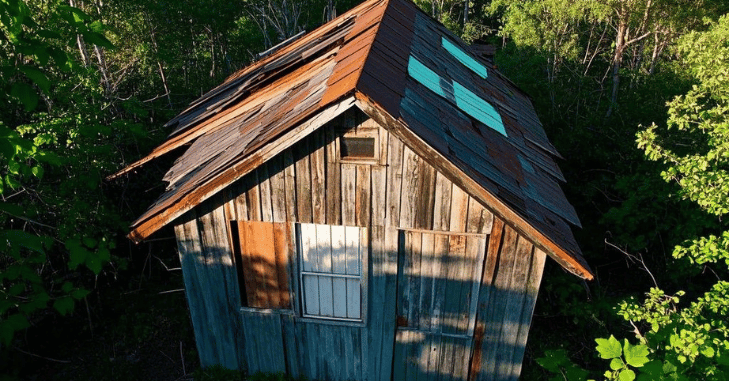
Although both involve occupying property without permission, they have key legal differences:
Trespassing is an illegal act in which someone knowingly enters another person’s property without consent. It is considered a criminal offense and can result in arrest. Squatting is when someone lives in a property they do not own without breaking in.
If certain conditions are met, squatters may have the right to claim ownership through adverse possession. Recognizing this distinction is important because property owners need to use different legal methods depending on whether they are dealing with a trespasser or a squatter.
Florida Squatter Rights and Adverse Possession
Florida law allows a squatter to claim legal property ownership through adverse possession, but only under strict conditions. This legal principle enables a person to take ownership of a property if they continuously occupy it and meet all legal requirements.
Recent updates to Florida squatter law have made it easier for property owners to take immediate action against unlawful occupants. With the introduction of House Bill 621 in 2024, law enforcement now has greater authority to remove squatters quickly without forcing owners into long court battles in certain cases.
This law aims to protect homeowners from financial loss, property damage, and lengthy legal delays. It also clarifies the distinction between legitimate tenants and illegal squatters, ensuring that property rights are more effectively enforced across the state.
Requirements for Adverse Possession in Florida
To claim adverse possession, squatters must meet the following criteria:
- Open and Obvious Possession: Their occupation must be noticeable and not hidden from the public or owner.
- Exclusive Possession: They must be the sole occupant of the property without sharing it with others.
- Hostile Possession does not mean aggression but rather that the person is occupying the property without the owner’s permission.
- Continuous Possession: The squatter must remain on the property uninterrupted for seven years.
- Actual Possession: They must treat the property as an owner would, such as maintaining it or making improvements.
- Property Tax Payments: Florida law requires squatters to file an adverse possession claim with the county tax office and pay property taxes for seven years.
If these conditions are not met, the squatter is a trespasser and can be legally removed.
How Property Owners Can Prevent Squatters?
To avoid adverse possession claims and illegal occupation, property owners should take preventive measures, including Frequent property inspections to detect unauthorized occupation, installing security measures like surveillance cameras, alarm systems, and fences, and posting “No Trespassing” signs to make it clear that unauthorized entry is illegal.
Leasing or renting out vacant properties to ensure continuous legal occupancy. Reporting unauthorized occupants immediately to law enforcement and verifying lease agreements to avoid scams where individuals illegally sublease a property.
Removing Squatters in Florida
If squatters occupy a property, owners must follow proper legal steps to remove them. The most effective methods include:
1. Serving an Eviction Notice
If a squatter has lived on the property long enough to establish residency, the owner must issue an eviction notice before taking further legal action. This is similar to how landlords handle non-paying tenants.
2. Filing an Unlawful Detainer Lawsuit
If the squatter refuses to leave, the owner can file an unlawful detainer lawsuit in court if the court rules in favor of the property owner, an official eviction order will be issued.
3. Involving Law Enforcement
If a squatter has engaged in criminal activity, such as breaking in or using fake documents, property owners can call the police for immediate removal. However, if the squatter has established some residency, law enforcement may require a court order before taking action.
4. Filing a Civil Lawsuit
Property owners can file a lawsuit to challenge the claim and prove their rightful ownership if squatters attempt to claim adverse possession.
Legal Consequences for Squatters in Florida
Squatting is not always a crime, but specific actions can lead to criminal charges, including:
- Trespassing (Misdemeanor or Felony): Unlawful entry onto private property.
- Burglary (Felony): Entering a property intending to commit a crime.
- Criminal Mischief (Misdemeanor or Felony): Damaging property.
- Fraud (Felony): Falsifying documents to claim ownership.
Additionally, squatters who lose an adverse possession claim may be responsible for paying damages, back rent, and legal fees.
Common Misconceptions

There are several myths surrounding squatter rights in Florida. Here are some of the most common misconceptions. Adverse possession requires at least seven years of continuous occupancy and property tax payments. If the property has been abandoned and the squatter meets all legal conditions, they may claim adverse possession. Sometimes, but in many cases, property owners must follow formal eviction procedures to remove squatters legally.
Conclusion
Florida squatter laws allow individuals to claim ownership through adverse possession but must meet strict legal conditions. Property owners should take proactive steps to prevent squatters from occupying their properties and act quickly if unauthorized occupants are found. If squatters refuse to leave, property owners should follow the proper legal channels to remove them, such as eviction notices, lawsuits, and law enforcement involvement.
By understanding Florida’s squatter laws, property owners can protect their investments, while squatters seeking legal claims can ensure they follow the law correctly. Knowledge of these laws helps both parties navigate property disputes more effectively and avoid unnecessary legal trouble.
Apart from that if you want to know about “Navigating Legal Challenges: The Role and Relevance of an Attorney in Modern Society, Types, Impact and Much More” then please visit our “Legal Advice” Category.
FAQs
A squatter occupies an abandoned, unoccupied, or foreclosed property without the owner’s permission.
Yes, squatters can claim adverse possession rights if they meet specific legal requirements under Florida law.
To claim ownership through adverse possession, a squatter must continuously occupy the property for seven (7) years and meet other legal conditions.
Yes. Under Florida law, a squatter must pay property taxes for 7 consecutive years to make a successful adverse possession claim.
In Florida, a squatter generally must occupy a property continuously for seven years while meeting all adverse possession requirements to make a legal ownership claim.