
Navigating the aftermath of a worksite injury requires a precise understanding of construction accident liability in South Carolina, especially as state laws evolve in 2024 and 2025. When you are injured in a construction zone, the path to justice is rarely a straight line because these sites function as a complex web of overlapping responsibilities. Determining who is at fault demands a rigorous investigation into whether the incident involved a private contractor, a government agency like the South Carolina Department of Transportation (SCDOT), or a negligent equipment manufacturer.
Securing full compensation often depends on looking beyond a simple workers’ compensation claim to identify third-party negligence. Whether you were a laborer on the clock or a motorist passing through a poorly marked work zone, your rights are protected by specific South Carolina statutes designed to hold powerful entities accountable. Pinpointing every liable party, from sub-contractors to those responsible for flawed traffic plans, is the only way to ensure that the burden of a life-altering injury does not fall on your shoulders alone.
Key Takeaways
- Injured workers should look beyond standard workers’ compensation to identify third-party negligence from subcontractors, property owners, or manufacturers to recover damages for pain and suffering.
- Claims involving public projects managed by the SCDOT must navigate the South Carolina Tort Claims Act, which imposes strict procedural hurdles, shortened statutes of limitations, and damage caps.
- When mechanical failure or design flaws cause an injury, manufacturers and suppliers can be held strictly liable through product liability claims to cover long-term medical needs and lost earning capacity.
- Securing maximum financial recovery requires a forensic investigation into site logs, safety records, and contracts to establish the precise percentage of fault for every entity involved in a multi-party construction site.
Identifying Negligent Third Parties Beyond Workers Compensation
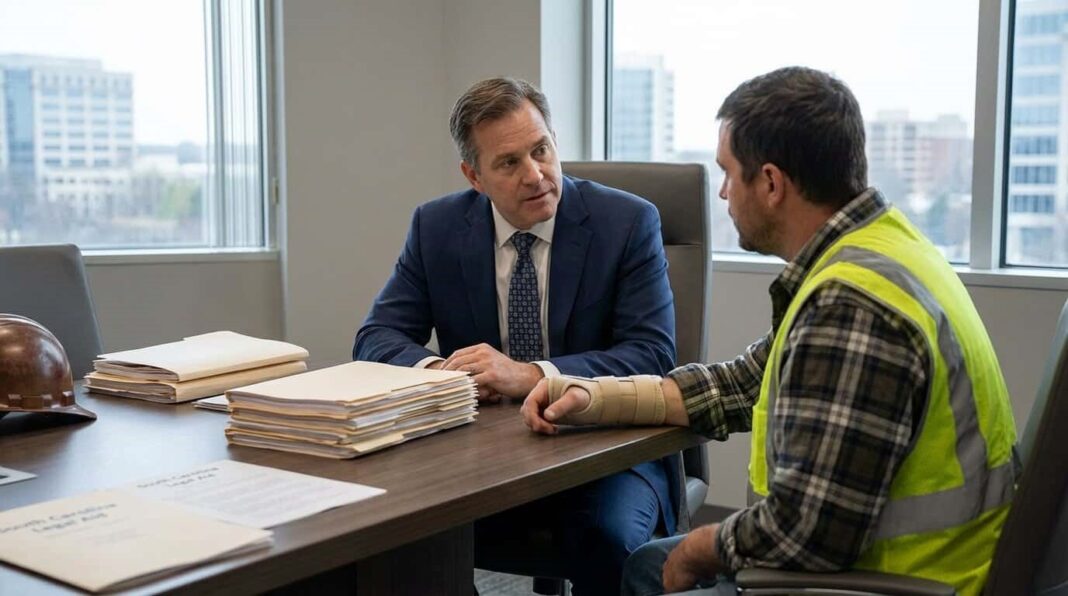
While South Carolina workers’ compensation provides a necessary safety net, it often falls short of covering the full scope of an injured worker’s financial losses. Under South Carolina law, an injured individual is not strictly limited to an employer’s insurance policy if a third party’s negligence contributed to the incident. Identifying these outside entities, such as negligent subcontractors, equipment manufacturers, or property owners, is essential for recovering damage like pain and suffering which are unavailable through standard workers’ comp. This legal avenue ensures that every responsible party is held accountable for their role in a hazardous work environment.
Determining liability in complex multi-party litigation requires a deep understanding of South Carolina’s specific statutes and safety regulations. For instance, if a subcontractor fails to secure a scaffolding unit or an engineer provides a structurally unsound blueprint, they may be held liable for the resulting injuries. South Carolina residents often find that navigating these overlapping responsibilities is difficult without professional legal services to investigate site logs and safety records. Experienced legal advocates specialize in untangling these connections to ensure injured workers receive the maximum compensation allowed by law.
Beyond the immediate contractors on a job site, product liability also plays a significant role in South Carolina construction accident cases. If a tool for malfunctions or heavy machinery lacks proper safety guards, the manufacturer may be legally responsible for any harm caused to the operator. Pursuing a third-party claim alongside a workers’ compensation case allows for a more comprehensive recovery that addresses long-term medical needs and lost earning capacity. By focusing on the negligence of all involved parties, injured individuals can better protect their families’ futures while holding negligent corporations to account.
South Carolina Tort Claims Act and Government Liability
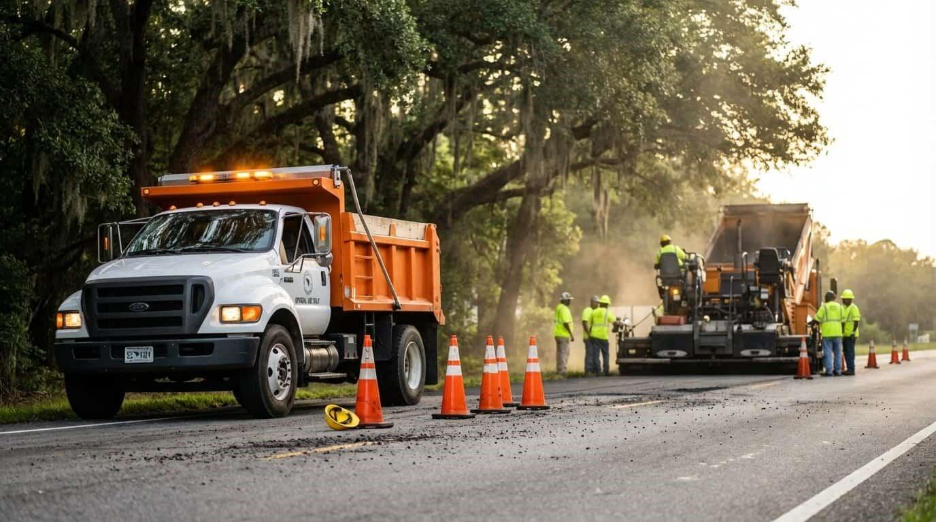
Navigating the complexities of the South Carolina Tort Claims Act is a necessary step when a construction accident occurs on a public project managed by the South Carolina Department of Transportation. Unlike private litigation, claims against government entities involve strict procedural hurdles, including a shortened statute of limitations and mandatory notice requirements. If you fail to file a formal verified claim within the specific timeframe allowed by state law, you may lose your right to seek compensation entirely. These regulations are designed to protect public funds, making it vital to have an advocate who understands the nuances of sovereign immunity and its exceptions. Professional legal teams assist injured individuals in meeting these rigorous deadlines to ensure their voices are heard against powerful state agencies.
Liability in these cases often extends beyond the government to include various third parties such as private sub-contractors or equipment manufacturers. Under South Carolina law, a public worksite is a web of contractual obligations where a single oversight in a traffic control plan or a mechanical failure can lead to catastrophic injuries. While the Tort Claims Act places a cap on the damages you can recover from a government body, pursuing additional claims against negligent private entities can provide a path to full financial recovery. Identifying every responsible party requires a thorough review of project contracts and safety logs. Legal professionals specialize in unraveling these multi-party disputes to hold every negligent corporation accountable for the harm they cause to workers and motorists.
Proving fault on a public project involves demonstrating that the government or its contractors breached a duty of care, such as failing to provide adequate signage or maintaining a hazardous roadway. South Carolina statutes require clear evidence of negligence, and the legal standards can differ significantly depending on whether the injured person was an employee or a member of the public. Because the state often attempts to use discretionary immunity as a defense, building a case requires technical expertise and a thorough investigation of the accident scene. Seeking guidance from a dedicated legal firm can help you manage these specialized legal requirements with confidence. These advocates focus on protecting the rights of the injured against the vast resources of government legal departments and insurance providers.
Defective Equipment Claims Against Manufacturers and Suppliers
In South Carolina, when a construction accident occurs due to mechanical failure, the legal focus often shifts toward product liability and the manufacturers of the equipment. While workers’ compensation may provide initial relief for employees, it often fails to cover the full extent of damages like pain and suffering or long-term disability. Under South Carolina law, if a crane collapses or scaffolding fails because of a design flaw or manufacturing defect, the injured party can pursue a third-party claim against the external entity responsible for the machinery. This approach is essential for securing comprehensive compensation, as it holds the creators of dangerous equipment accountable for their negligence.
Proving liability against a manufacturer requires a detailed investigation into the maintenance history and the specific point of failure within the device. For instance, if a hydraulic line on a lift bursts despite proper upkeep, the manufacturer may be strictly liable for the resulting injuries regardless of the employer’s actions. South Carolina statutes allow victims to seek justice when these companies prioritize profit over the safety of those on site. Legal advocates specialize in managing these multi-party litigations, ensuring that the burden of proof is met through expert testimony and rigorous evidence collection.
These cases are particularly complex because manufacturers often attempt to shift blame onto the site supervisors or the workers themselves by citing improper use. However, South Carolina residents have the right to expect that the tools they use daily meet stringent safety standards. When a supplier provides faulty equipment that leads to a catastrophic injury, they are legally responsible for the medical bills and lost wages that follow. By identifying every liable party in a construction accident, injured individuals can maximize their recovery and ensure that those who produce defective tools are held to the highest standards of accountability.
Legal Strategies for Multi Party Construction Litigation

Determining liability in a South Carolina construction accident requires a meticulous investigation that extends far beyond the immediate employer. While workers’ compensation often serves as the primary recovery route for employees, South Carolina law allows for third-party personal injury claims when the negligence of an outside entity contributes to the harm. This is particularly relevant in complex environments where sub-contractors, site owners, and equipment manufacturers all share the workspace. A comprehensive forensic analysis of the site can reveal whether a third party failed to maintain safe conditions or provided defective machinery that led to the injury. By identifying every responsible party, injured individuals can pursue the full scope of damages they are entitled to under the law.
Professional legal advocates specialize in managing these multi-party litigations to ensure that no stone is left unturned for the injured plaintiff. Because South Carolina follows modified comparative negligence rules, establishing the precise percentage of fault for each entity is vital for a successful recovery. Legal teams focus on gathering physical evidence, expert testimony, and safety records to build a compelling case against negligent contractors or government agencies. This aggressive approach serves as a shield for workers and pedestrians who might otherwise be overwhelmed by the legal resources of large corporations or insurance providers. Securing a knowledgeable legal ally ensures that the focus remains on your recovery and long-term financial stability.
Maximizing Financial Recovery Through South Carolina Liability Laws
Managing the aftermath of a construction site of injury in South Carolina requires a comprehensive understanding of the state’s multi-party liability framework. While many workers assume their only recourse is a basic workers’ compensation claim, the reality of modern job sites often involves third-party negligence from subcontractors, equipment manufacturers, or government entities. Identifying these additional sources of recovery is essential for securing the full financial support needed to cover long term medical expenses and lost earning capacity. Looking beyond the employer, injured individuals can hold every negligent party accountable for their role in the accident.
South Carolina law provides specific protections for both laborers and pedestrians who are harmed due to improper safety protocols or defective machinery. Expert legal guidance is often necessary to decipher the complexities of the South Carolina Tort Claims Act or to challenge the powerful insurance companies representing large construction firms. Professional legal services offer the state-specific knowledge required to investigate these intricate cases and advocate for the rights of the injured. Ensuring that every liable party is identified not only provides justice for the victim but also promotes higher safety standards across the South Carolina construction industry.
Frequently Asked Questions
Yes, you may pursue a third-party claim if an entity other than your employer, such as a subcontractor or equipment manufacturer, contributed to your injuries. Under South Carolina law, these claims allow you to seek damages for pain and suffering which are not available through standard workers’ compensation benefits.
If you are injured due to a poorly marked work zone or a flawed traffic plan, you have the right to hold the parties responsible accountable. This may include private contractors or government agencies like the South Carolina Department of Transportation (SCDOT) depending on who managed the site safety.
South Carolina statutes allow for the identification of multiple liable parties in complex litigation to ensure you receive full compensation. This process involves a rigorous investigation into the overlapping responsibilities of property owners, developers, and independent contractors involved in the project.
While workers’ compensation provides a vital safety net for medical bills and lost wages, it often fails to cover the full financial and emotional scope of a life-altering injury. By identifying negligent third parties, you can pursue additional compensation to ensure the financial burden of the accident does not fall on you alone.
If a tool or piece of heavy equipment fails due to a defect, the manufacturer or the party responsible for equipment maintenance can be held strictly liable. Pursuing a product liability claim alongside your workers’ compensation claim is a critical step in securing justice against negligent corporations.
The first step is conducting a thorough investigation to pinpoint every negligent party involved in the web of worksite responsibilities. This includes reviewing safety regulations, traffic plans, and subcontractor agreements to ensure all entities that contributed to the hazard are held responsible under state law.
About Our Business
Oxner + Permar PLLC is a personal injury law firm serving clients throughout North Carolina and South Carolina with a primary focus on workers’ compensation, social security disability, and serious injury claims. The firm specializes in complex cases involving spinal cord injuries, wrongful death, and motor vehicle accidents across multiple regional offices. They differentiate themselves through a commitment to aggressive representation and a dedicated approach to “making wrongs right” for injured individuals. For those facing long-term cognitive challenges, understanding brain injury disability benefits can be a vital part of the recovery process.
Oxner + Permar PLLC
629 Green Valley Rd, Greensboro, NC 27408
Phone: (336) 274-4494
Website: https://www.oxnerpermarlaw.com