

A personal injury lawyer plays a crucial role in helping accident victims recover compensation for medical bills, lost wages, pain and suffering, and long-term disabilities. When an individual suffers injuries due to someone else’s negligence, navigating the legal and insurance processes can be overwhelming. From dealing with complex paperwork to negotiating with insurance companies, victims often struggle to protect their rights.
A skilled personal injury attorney ensures that clients receive the maximum compensation they deserve, helping them cover medical expenses, regain lost income, and manage the emotional and financial impact of their injuries. In 2025, with growing legal complexities, hiring a personal injury lawyer is more important than ever for accident victims seeking justice and fair settlements. For background, see accident lawyers in Ottawa.
Personal Injury Lawyer Information Table
| Category | Details |
|---|---|
| Personal Injury Lawyer | Legal professional handling injury claims |
| Accident Investigation | Collects evidence and reports |
| Medical Bills | Helps recover treatment expenses |
| Lost Wages | Recovers income lost after injury |
| Pain and Suffering | Seeks compensation for emotional distress |
| Long-Term Disabilities | Supports claims for permanent injuries |
| Insurance Negotiation | Fights low settlement offers |
| Legal Representation | Represents victims in court |
| Contingency Fees | Uses specialists to strengthen the case |
| Claim Filing | Manages legal paperwork |
| Liability Proof | Establishes negligence |
| Expert Witnesses | Presents the case before the judge/jury |
| Settlement Process | Negotiates fair compensation |
| Court Trial | Presents the case before judge/jury |
| Future Medical Care | Calculates long-term health costs |
| Emotional Support | Guides victims through legal stress |
| Document Management | Handles medical & legal files |
| Case Evaluation | Determines claim value |
| Injury Types | Protects the legal rights of victims |
| Client Rights | Protects legal rights of victims |
| Evidence Collection | Photos, reports, statements |
| Legal Deadlines | Tracks statute of limitations |
| Financial Loss | Calculates economic damages |
| Non-Economic Damages | Pain, suffering, mental trauma |
| Fair Compensation | Ensures maximum recovery |
Understanding the Role of a Personal Injury Lawyer
A personal injury lawyer plays a vital role in helping accident victims pursue justice, secure fair compensation, and rebuild their lives after a traumatic event. When someone suffers injuries due to another party’s negligence, the legal process becomes complex. Victims must deal with insurance companies, medical providers, and legal paperwork.
A skilled personal injury lawyer steps in to manage these challenges and protect the victim’s rights. Their goal is to ensure clients recover compensation for medical bills, lost wages, pain and suffering, and long-term disabilities.
Investigating the Accident and Gathering Evidence

The first primary responsibility of a personal injury lawyer is conducting a thorough investigation. They gather records, documents, and witness statements that support the claim. This evidence often includes medical records, accident reports, photographs, surveillance footage, and expert evaluations.
A detailed investigation helps establish the cause of the injury, identify liable parties, and strengthen the claim against the insurance company. A well-documented case increases the chances of obtaining fair compensation.
Evaluating Damages and Calculating Fair Compensation
Personal injury lawyers analyze the full extent of the victim’s injuries and losses. They assess immediate expenses, such as emergency treatment and follow-up care, and consider long-term needs. These may include future medical costs, therapy, rehabilitation, and lifestyle modifications.
In addition to medical bills, lawyers calculate lost income resulting from missed work. They also estimate future earning capacity for victims who suffer from permanent disabilities. The goal is to present a complete financial picture that reflects the accident’s actual impact.
Handling Medical Bills and Coordinating with Healthcare Providers

Medical bills often overwhelm injury victims. A personal injury lawyer acts as a bridge between clients and healthcare providers. They ensure medical documentation is complete and accurate, which is essential for building a strong case.
In many cases, lawyers negotiate with hospitals and clinics to delay billing until the claim is settled. This prevents victims from facing financial pressure while recovering. By coordinating treatment records and expenses, the lawyer strengthens the claim and ensures nothing is overlooked.
Communicating and Negotiating with Insurance Companies
Insurance companies aim to minimize payouts, often offering victims low settlements. A personal injury lawyer protects clients from tactics that may pressure them into accepting less than they deserve.
Attorneys handle all communication with insurance adjusters, ensuring statements are not misinterpreted or used against the victim. They negotiate aggressively to secure a fair settlement that covers medical bills, lost wages, and emotional suffering. If negotiations fail, the lawyer prepares the case for court.
Proving Liability and Establishing Negligence
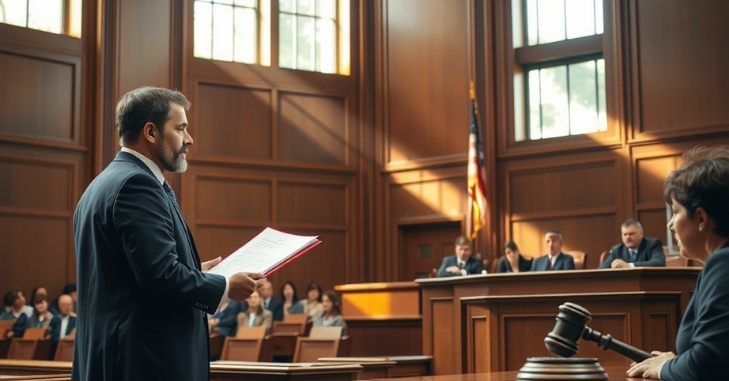
To succeed in a personal injury claim, the victim must prove that another party’s negligence caused the injury. Lawyers collect and present evidence to establish fault. This may involve accident reconstruction experts, medical specialists, or financial analysts.
By proving negligence, attorneys demonstrate why the victim deserves compensation. Establishing liability is crucial in cases involving car accidents, workplace injuries, slip-and-fall incidents, product defects, and medical malpractice.
Representing Victims in Court When Needed
Not every case goes to trial, but when it does, having a personal injury lawyer is essential. They present the evidence before a judge or jury, argue on behalf of the client, and refute the opposing party’s claims.
Court representation includes preparing legal documents, examining witnesses, and explaining how the injuries have affected the victim’s life. A strong courtroom strategy significantly improves the chances of winning maximum compensation.
Helping Victims Recover Compensation for Medical Bills

After an accident, medical bills are often the most immediate financial burden. A lawyer ensures that all current and future medical expenses are included in the claim. This may cover doctor visits, surgeries, medications, physical therapy, and specialized care.
Personal injury attorneys also help secure compensation for long-term or permanent medical needs. This ensures the victim receives ongoing care without financial stress.
Securing Compensation for Lost Wages and Reduced Earning Capacity
Injuries frequently prevent victims from returning to work. A personal injury lawyer calculates wages lost during recovery and fights to recover them through the claim.
For victims suffering long-term disabilities, attorneys evaluate how the injury affects their ability to earn income in the future. They then pursue compensation for diminished earning capacity. This is essential for victims whose injuries impact their lifelong financial stability.
Compensation for Pain, Suffering, and Emotional Distress

Accidents do more than damage the body; they also affect emotional and mental health. Personal injury lawyers pursue compensation for pain and suffering, emotional distress, and loss of enjoyment of life.
They use medical records, psychological evaluations, and victim statements to demonstrate how the injury has impacted the client’s quality of life. This ensures non-economic damages are fairly valued during settlement negotiations.
Supporting Victims with Long-Term Disabilities
Some injuries result in lifelong challenges. Personal injury lawyers help victims plan long-term care, adaptive equipment, home modifications, and ongoing therapy.
They work with vocational experts, medical specialists, and financial planners to accurately estimate future needs. By presenting strong evidence, lawyers ensure victims receive compensation that supports their long-term well-being.
Filing Legal Documents and Managing the Claims Process

The claims process involves extensive paperwork, legal deadlines, and procedural requirements. A personal injury lawyer manages these tasks efficiently, ensuring nothing is missed.
Timely filing increases the chances of a successful claim and prevents dismissal due to procedural errors. Lawyers also track the statute of limitations to ensure the victim’s rights are protected.
Providing Guidance and Emotional Support
Beyond legal representation, personal injury lawyers offer emotional support. They help victims understand the legal process, answer questions, and provide reassurance during stressful times.
Having a trusted attorney allows victims to focus on healing while knowing a professional is handling their case.
Protecting Victims From Legal Mistakes
Accident victims often make innocent mistakes that can weaken their claim. These may include posting on social media, giving recorded statements, or accepting low settlements.
A personal injury lawyer educates clients on what to avoid and guides them through every step. Their expertise helps prevent costly errors that insurance companies may exploit.
Conclusion
In summary, a personal injury lawyer is essential for guiding victims through the challenging aftermath of an accident. From investigating the incident and gathering evidence to negotiating settlements and representing clients in court, their expertise ensures that victims are compensated.
They not only address immediate needs like medical bills and lost wages but also consider long-term care, emotional distress, and diminished earning capacity. By providing legal guidance, managing complex paperwork, and advocating for clients’ rights, personal injury lawyers help victims focus on recovery while securing financial stability.
For anyone facing serious injury due to another’s negligence, the support of a professional personal injury attorney is invaluable in achieving justice and peace of mind.
Apart from that, if you want to know about Types of Cases That Come Under Personal Injury Law then please visit our Accidents Law category.
Frequently Asked Questions (FAQs)
A personal injury lawyer helps accident victims pursue compensation for injuries caused by someone else’s negligence. They handle evidence collection, legal paperwork, negotiations with insurance companies, and, if needed, courtroom representation.
It’s best to hire a lawyer as soon as possible after an accident. Early legal intervention ensures evidence is preserved, deadlines are met, and insurance companies cannot take advantage of you.
Case duration varies depending on the complexity and severity of injuries, and whether the case settles or goes to court. Some cases are resolved in a few months, while others may take several years.