



Understanding the Philips CPAP Lawsuit
The Philips CPAP lawsuit began after millions of CPAP, BiPAP, and ventilator devices were recalled due to the breakdown of the polyester-based polyurethane (PE-PUR) foam inside the machines. This toxic sound-abatement foam could degrade over time, releasing harmful particles and chemical gases into the user’s airway.
Many individuals reported developing respiratory issues, lung irritation, chronic cough, headaches, and even life-threatening conditions such as cancer and organ damage. As a result, thousands of victims filed claims, arguing that Philips failed to warn users about the dangers. The lawsuit seeks to recover compensation for the medical harm, financial losses, and emotional distress resulting from long-term exposure to the defective foam.
Philips CPAP Lawsuit Payout Details
| Topic | Details |
|---|---|
| Lawsuit Type | Mass tort lawsuit for defective CPAP devices |
| Affected Devices | Philips CPAP, BiPAP, and ventilators |
| Defective Component | PE-PUR foam (toxic, deteriorates over time) |
| Health Risks | Respiratory issues, lung damage, cancer |
| Eligibility | Users of recalled devices with health complications |
| Settlement Tiers | Mild, Moderate, Severe, Life-threatening |
| Mild Injuries | Chronic cough, throat irritation |
| Mild Payout Estimate | $10,000 – $30,000 |
| Moderate Injuries | Asthma, frequent infections, breathing issues |
| Moderate Payout Estimate | $30,000 – $75,000 |
| Severe Injuries | COPD, lung damage, long-term respiratory issues |
| Severe Payout Estimate | Asthma, frequent infections, and breathing issues |
| Life-Threatening Injuries | Asthma, frequent infections, and breathing issues |
| Life-Threatening Payout Estimate | $150,000 – $500,000+ |
| Key Factors | Cancer, organ damage, and severe illnesses |
| Legal Representation | Experienced attorney recommended for higher payouts |
| Documentation Needed | Injury severity, duration of use, and medical proof |
| Filing Process | Medical records, device proof, and purchase receipts |
| Contingency Fees | Most attorneys work without upfront costs |
| Claim Deadlines | Vary by state (statute of limitations) |
| Settlement Distribution | Based on injury tier and evidence strength |
| Late Symptoms | Claims may still qualify even if symptoms appear later |
| Insurance Impact | Filing a lawsuit typically does not affect benefits |
| Family Claims | Possible for wrongful death cases |
| Monitoring Claims | Regular updates to the attorney may be required |
| Goal of Lawsuit | Compensation for medical, financial, and emotional damages |
Projected Settlement Predictions for Philips CPAP Lawsuit Payout Per Person
Legal experts predict payout tiers based on injury severity, even though final settlement amounts are not yet confirmed. Most mass tort cases use a system that assigns compensation according to documented health issues caused by foam inhalation and exposure.
The estimated settlement predictions include:
- Mild Injuries: These cases typically involve symptoms such as chronic cough, throat irritation, or respiratory discomfort. Legal analysts estimate payouts between $10,000 and $30,000.
- Moderate Injuries: This category may include asthma development, frequent respiratory infections, and sleep-related breathing issues. The expected compensation range is $30,000 to $75,000.
- Severe Injuries: Claimants diagnosed with serious illnesses such as chronic obstructive pulmonary disease (COPD), lung damage, or long-term breathing complications could receive between $75,000 and $150,000.
- Life-Threatening Conditions: The highest tier includes victims who developed cancer, severe organ damage, or debilitating long-term illnesses. Attorneys expect settlement values to range from $150,000 to $500,000 or more, depending on medical documentation and the duration of device use.
Factors That Influence the Philips CPAP Lawsuit Payout Per Person

The compensation each claimant receives will vary based on several important factors. Understanding these elements helps victims estimate potential recovery amounts and gather the correct documentation.
1. Severity and Type of Injury
The most significant factor is the extent of the health condition linked to the recalled device. More severe injuries typically result in higher payouts because they cause long-term medical costs and significant lifestyle changes.
2. Duration of Device Usage
Claimants who used the defective Philips CPAP or BiPAP machines for several years may be eligible for higher compensation. Long-term exposure increases the likelihood of inhaling toxic foam particles and developing more serious health problems.
3. Medical Documentation and Diagnosis

Strong, clear medical records directly linking health complications to the device significantly impact the payout. Victims with documented diagnoses, lab reports, and physician statements often have a stronger claim.
4. Age and Overall Health Condition
Younger victims or individuals without prior respiratory issues may receive larger compensation amounts. It is because the impact on their future health and quality of life is greater.
5. Economic Losses and Financial Damages
Lost wages, reduced earning capacity, ongoing treatment, surgery, therapy, and long-term care all influence the final settlement. The more financial losses a victim can document, the higher the potential payout.
6. Legal Representation and Case Strength
Having experienced legal representation increases the chances of receiving a higher payout. Skilled attorneys can negotiate effectively, gather evidence, and ensure that the claim is presented clearly in the settlement process.
Health Risks Associated With Recalled Philips CPAP Devices
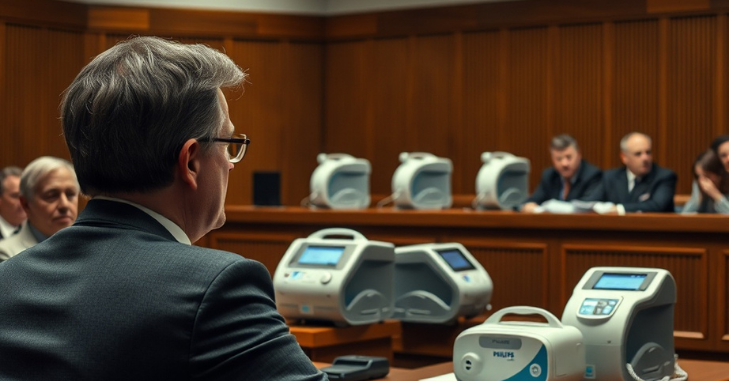
Victims exposed to the degrading foam have reported a wide range of symptoms and illnesses. These health conditions form the basis of many legal claims and influence compensation eligibility.
Respiratory Complications
Many users experienced persistent coughing, breathing difficulties, chest tightness, and sinus infections. Foam particles inhaled into the lungs may cause inflammation, irritation, and long-term respiratory damage.
Lung and Airway Disorders

More severe conditions include asthma, bronchitis, hypersensitivity pneumonitis, and chronic respiratory inflammation. Some victims require hospitalization or long-term medication to manage the symptoms.
Carcinogenic Exposure
The foam released toxic volatile organic compounds (VOCs), known carcinogens. Some claimants link their cancers, such as lung cancer, throat cancer, and liver cancer, to prolonged exposure to the CPAP devices.
Systemic Health Effects
Other reported issues include dizziness, headaches, nausea, and organ problems potentially caused by chemical exposure. These symptoms indicate potential toxic damage beyond the respiratory system.
Understanding these health risks helps victims identify whether they qualify for compensation and ensures that their claims are supported by documented medical evidence.
Step-by-Step Instructions for Filing a Philips CPAP Lawsuit Claim

Following the correct process is essential for ensuring your claim is reviewed correctly and included in the settlement negotiations. Below are the step-by-step instructions victims should follow.
Step 1: Stop Using the Recalled Device Immediately
Anyone still using a recalled Philips CPAP or BiPAP machine should discontinue use unless otherwise instructed by a medical professional. Continuing usage may worsen health conditions and affect the claim.
Step 2: Consult a Qualified Medical Professional

Victims should schedule a medical evaluation to document symptoms or illnesses that the device may cause. A doctor can provide diagnostic tests, imaging scans, or referrals that strengthen the legal case.
Step 3: Gather All Necessary Evidence and Documentation
Important evidence includes:
- Device serial number
- Proof of purchase or usage records
- Medical diagnoses and test results
- Doctors’ statements linking symptoms to device exposure
- Employment records showing lost income
This evidence helps build a strong, credible claim.
Step 4: Contact an Experienced CPAP Lawsuit Attorney

Choosing a skilled attorney is crucial, as mass tort lawsuits require specialized legal expertise. Attorneys will review your case, evaluate damages, and guide you through the legal process. Most work on a contingency fee basis, meaning there is no upfront payment.
Step 5: File the Official Claim
Your attorney will help you complete the required legal forms, collect supporting documents, and submit your claim to the appropriate court or multidistrict litigation (MDL). Filing early ensures your claim is included in upcoming settlement negotiations.
Step 6: Monitor Case Progress and Provide Updates

Throughout the legal process, victims may need to provide additional medical updates or documentation. Staying in regular contact with your attorney ensures your case remains active and adequately represented.
Step 7: Receive Settlement Compensation Once Approved
Once a settlement is reached, qualifying victims will receive payout offers based on their injury tier and documentation. Upon approval, compensation is distributed in accordance with the settlement agreement.
Conclusion
The Philips CPAP lawsuit offers victims an essential opportunity to seek compensation for the health risks and financial burdens caused by defective respiratory devices. Understanding how the Philips CPAP lawsuit payout per person is calculated helps claimants prepare stronger cases and secure fair settlements.
From injury severity and medical proof to long-term economic impact, several key factors determine everyone’s payout. By following the proper legal steps, securing medical evaluation, gathering evidence, and consulting a skilled attorney, victims can improve their chances of obtaining meaningful compensation.
As settlement discussions continue, staying informed and acting promptly remains crucial. For anyone affected by a Philips CPAP recall, this guide provides the clarity and direction needed to move forward with confidence.
Want to know about Types of Cases That Come Under Personal Injury Law Check out our Accidents Law category.
Frequently Asked Questions (FAQs)
The lawsuit targets recalled Philips CPAP, BiPAP, and ventilator devices containing toxic PE-PUR foam. As the foam degraded, users inhaled harmful particles and chemicals, causing respiratory problems, serious health issues, and potential cancer risks. Victims are now pursuing compensation for these damages.
Yes. Medical documentation, such as diagnoses, test results, and doctor statements, helps establish the connection between your health condition and the recalled device. Strong evidence improves settlement potential.
No. Most CPAP lawsuit attorneys work on a contingency basis. It means you only pay legal fees if they successfully win or settle your case.

