



Recognizing the Grounds for a Lawsuit: Abuse and Neglect
Placing a loved one in a nursing home is a huge decision. We trust these facilities to provide safe and compassionate care. But what happens when that trust is broken? When neglect or abuse occurs, families are left with heartbreak and many questions. We need to know our rights and how to act.
This guide will walk us through the steps of suing a nursing home. It will explain how to spot signs of neglect, collect important evidence, and understand the legal process. Our aim is to empower families with clear information. Understanding these steps is vital for seeking family nursing home justice. This article will show us how to steer this difficult path.
When we consider suing a nursing home, it’s typically because we suspect or have evidence of abuse or neglect. These terms encompass a wide range of harmful actions or failures to act that jeopardize a resident’s well-being. Nursing home neglect and abuse can manifest in various forms, from physical harm to emotional distress and even financial exploitation.

Specific allegations of negligence often center on a facility’s failure to provide adequate care, which can lead to serious health complications or even death. This might include instances of understaffing, insufficient qualified personnel to meet residents’ needs, or a severe lack of proper training among staff. For example, if staff lack proper training from trade school healthcare careers, it can directly impact the quality of care.
Common issues that form the basis of a lawsuit include:
- Physical Abuse: Unexplained bruises, broken bones, or signs of physical restraint.
- Emotional Abuse: Verbal assaults, intimidation, humiliation, or isolation.
- Neglect: This is a broad category and often the most common basis for lawsuits. It refers to failing to provide necessary care, services, or assistance.
- Bedsores (Pressure Ulcers): These are a tell-tale sign of neglect, often indicating that a resident is not regularly repositioned. Bedsores are an indication of which type of abuse, specifically physical neglect, and can lead to severe infections if not properly managed.
- Malnutrition and Dehydration: Inadequate food and water intake, leading to significant weight loss or severe dehydration.
- Medication Errors: Incorrect dosages, wrong medications, or missed doses.
- Falls: Frequent, preventable falls that result in injury, often due to lack of supervision or unsafe environments. Common types of nursing home injuries include fractures and head trauma from falls.
- Choking Incidents: Failure to provide appropriate supervision or dietary modifications for residents with swallowing difficulties.
- Unsanitary Conditions: Poor hygiene, unclean living spaces, or lack of proper sanitation, leading to common types of nursing home infections.
- Lack of Training: Staff are not adequately trained to handle residents’ specific needs, such as preventing contractures in bedridden patients.
- Understaffing: A pervasive issue that directly contributes to many forms of neglect, as staff are overwhelmed and unable to provide individualized attention.
The broader implications of these cases for nursing home care standards are significant. Lawsuits bring public attention to systemic issues, often forcing facilities to re-evaluate their practices, staffing levels, and training protocols. They serve as a critical mechanism for accountability, pushing for improved quality of care across the industry. For more information on identifying issues, you can learn about common California nursing home violations and signs of poor quality of care in nursing homes. The most common type of elder abuse is often neglect, which can manifest in various ways, including how a leg contracture can indicate elder abuse. We usually categorize these issues under Elder Abuse and Nursing Home Abuse, explicitly focusing on Contractures and Bedsores.
Common Signs of Nursing Home Negligence
Recognizing the warning signs of nursing home negligence is crucial in protecting our loved ones. While some signs are obvious, others can be subtle, requiring careful observation. Here is a list of warning signs that should prompt immediate concern:
- Unexplained Injuries: Bruises, cuts, fractures, sprains, or welts that cannot be reasonably explained or appear repeatedly.
- Poor Hygiene: Unkempt appearance, dirty clothes, body odor, matted hair, or unclipped nails, indicating a lack of personal care.
- Sudden Weight Loss: Significant, unexplained weight loss can be a sign of malnutrition or dehydration.
- Changes in Behavior: Increased anxiety, depression, withdrawal, fear, agitation, or sudden mood swings.
- Fear of Staff: When certain staff members are present, the resident may become visibly anxious, quiet, or fearful.
- Missing Belongings: Personal items, valuables, or money disappearing without explanation.
- Staff Refusing to Allow Visitors: Unreasonable restrictions on visiting hours or attempts to prevent family members from seeing the resident alone.
- Unsanitary Living Conditions include foul odors, dirty bedding, pest infestations, or uncleaned spills in the resident’s room or common areas.
- Over or Under-Medication: The resident appears overly sedated, confused, or exhibits symptoms consistent with missed medication doses.
- Frequent Infections: Recurring infections, especially preventable infections like UTIs or respiratory infections, can indicate poor hygiene or a lack of medical attention.
These are among the three most common complaints about nursing homes. If we observe any of these signs, we must investigate further and consider taking action.
The Legal Definition of Neglect
In the context of a lawsuit, nursing home neglect is not just a feeling that care was poor; it has a specific legal definition that must be met to establish a claim. Generally, to prove negligence, we must demonstrate four key elements:
- Duty of Care: The nursing home and its staff had a legal responsibility to provide the resident a certain standard of care. This duty is inherent in the relationship between a care facility and its residents.
- Breach of Duty: The nursing home or its staff failed to meet that standard of care. This “breach” can be an action (e.g., improperly administering medication) or an inaction (e.g., failing to reposition a resident to prevent bedsores).
- Causation: The breach of duty directly caused the resident’s injury, harm, or death. There must be a clear link between negligence and negative outcomes.
- Damages: The resident suffered actual harm or losses due to the injury, which can be compensated financially.
The legal basis for a family’s lawsuit against a nursing home typically falls under personal injury law, specifically nursing home neglect or elder abuse in California. Depending on the jurisdiction, specific statutes further define these duties and breaches. For instance, in California, the California Welfare and Institutions Code section 15600, et. seq. (also referenced as California Welfare and Institutions Code §15600, et. seq. and Delaney v. Baker (1999) 20 Cal. 4th 23) addresses the “abuse, neglect or abandonment” of “dependent” and “elder” adults, providing a robust legal framework. Similarly, in Ontario, Canada, the Fixing Long-Term Care Act establishes how nursing homes should be run, emphasizing dignity, security, and safety for residents, with regulations defining abuse and neglect.
These laws and regulations underscore that residents have fundamental rights, and violations of these rights can constitute neglect or abuse. For example, California Penal Code 368 outlines criminal elder abuse, while California Health and Safety Code 1430 b addresses reporting requirements. Regulations also cover specific practices, like laws on restraints in nursing homes. Understanding these legal definitions is crucial for anyone considering a lawsuit, as they form the foundation of any elder abuse and dependent adult civil protection act overview.
The Initial Steps: Documentation and Reporting
Once we suspect neglect or abuse, the immediate priority is to ensure the safety of our loved one and begin carefully documenting everything. The success of any potential legal action hinges on thorough evidence gathering. This process involves creating a detailed record of events, collecting medical documentation, taking photographs, and securing witness statements.

Establishing a clear timeline of events leading to any injury or decline in the resident’s condition is paramount. This timeline will help us trace the progression of issues and identify specific instances of alleged negligence. We also need to document the actions taken (or not taken) by nurses and other staff and the consequences. For example, if a nurse failed to respond to a call bell, leading to a fall, that inaction and its outcome are critical details.
Beyond personal documentation, it’s essential to make official complaints to the nursing home administration and, if necessary, to state regulatory agencies. These formal reports create an official record of our concerns and the facility’s response. In severe cases, a police investigation may also be warranted, especially if criminal negligence is suspected. Knowing how to report nursing home abuse and what to do if you suspect nursing home neglect are vital first steps.
How to Document Suspected Abuse
Adequate documentation is the backbone of any nursing home abuse or neglect claim. It provides concrete evidence to support our allegations and helps to prove elder abuse in California. Here’s how to carefully document suspected abuse:
- Create a Detailed Log: Keep a dedicated notebook or digital file to record every incident, observation, and communication.
- Note Dates and Times: Be precise. Record the exact date and time of each observation, incident, or conversation.
- Describe Specific Incidents: Provide clear, objective descriptions of what occurred. Include details such as where it happened, who was involved (resident and staff), and the immediate consequences. For example, “On [Date] at [Time], I observed [Resident’s Name] with an unexplained bruise on [Body Part]. [Staff Member’s Name] was the caregiver on duty.”
- Identify Staff Involved: Always try to get the names or job titles of any staff members present or involved in the incident.
- Take Photos and Videos: Use your smartphone or camera to take clear, dated photos of injuries, unsanitary conditions, broken equipment, or anything else that supports your concerns. If possible, take videos to capture behaviors or conditions.
- Keep All Related Paperwork: This includes medical records, nursing home contracts, billing statements, communication logs, and any correspondence with the facility. If you haven’t already, request copies of your loved one’s medical chart.
- Witness Statements: If other family members, visitors, or even other residents observe something, ask them to write down what they saw, sign, and date it.
This comprehensive approach ensures that we have a strong foundation of evidence should we decide to pursue legal action.
Reporting to Authorities
After documenting our concerns, the next step is to report them to the appropriate authorities. This can trigger investigations and potentially lead to interventions that protect our loved ones and others.
- Nursing Home Administration: First, formally report your concerns to the nursing home’s director of nursing, administrator, or social worker. Do this in writing, keeping a copy for your records, and request a written response.
- Long-Term Care Ombudsman Program: Every state has an Ombudsman program, which advocates for the rights of nursing home residents. They can investigate complaints, mediate disputes, and help resolve issues. This is often the first external agency to contact.
- State Licensing Agencies: These agencies are responsible for licensing and regulating nursing homes. They investigate complaints of neglect, abuse, and violations of care standards. In California, you can learn how to file a complaint against a nursing home through the California Department of Public Health. For Oregon, information on care homes, including violations, notices, and inspections, can be found at ltclicensing.oregon.gov. You can also compare nursing home facilities on Medicare.gov.
- Adult Protective Services (APS): If you suspect elder abuse (physical, emotional, sexual, or financial), APS is the agency to contact. They investigate reports of abuse and neglect of vulnerable adults.
- When to Call the Police: If there is immediate danger, physical assault, sexual abuse, or any suspicion of criminal activity, call 911 or your local police department immediately. The outcome of a police investigation into nurses or other staff can sometimes lead to criminal charges, though this is separate from a civil lawsuit. Some regions have dedicated lines for urgent matters, such as Ontario’s Long-Term Care Family Support and Action Line (1-866-434-0144), which is staffed 24/7 for urgent complaints. People are advised to report the concern directly to the home for non-urgent complaints. The Ministry of Long-Term Care has established urgent and non-urgent complaint procedures.
Reporting to these agencies ensures that our concerns are officially registered and can lead to inspections, fines, or even closure of facilities that fail to meet standards.
Navigating Healthcare Careers and Patient Rights: The Legal Process
Once we have gathered documentation and reported our concerns, the next phase involves navigating the legal process if the situation warrants it. This often means filing a lawsuit, typically a wrongful death lawsuit if the resident passed away due to negligence, or a personal injury claim if they suffered harm but survived. Understanding the statute of limitations—the time limit within which a lawsuit must be filed—is critical.

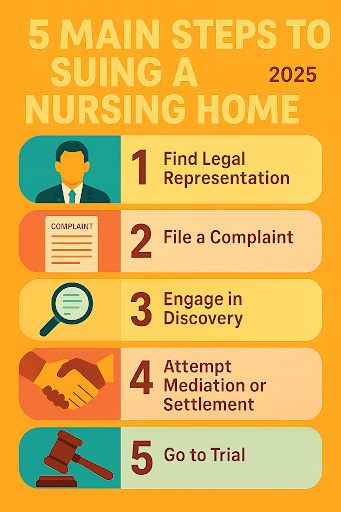
The legal process begins with finding the proper legal representation and filing a court complaint. This is followed by a discovery process, during which both sides exchange information and evidence. Many cases are resolved through mediation or settlement negotiations, but some proceed to trial.
Finding the Right Legal Representation
Choosing an attorney specializing in elder law, nursing home abuse, and neglect is paramount. These complex cases involve intricate medical details and specific state and federal regulations. When consulting a lawyer, inquire about their experience with similar cases, their fee structure (many work on a contingency fee basis, meaning they only get paid if you win), and their approach to litigation.
We need legal professionals who are dedicated to securing justice for vulnerable residents. Look for attorneys who are experienced in Nursing Home Abuse Lawyer California, Nursing Home Abuse Lawyer Los Angeles, Nursing Home Abuse Lawyer Riverside, Nursing Home Abuse Lawyer Coachella Valley, Nursing Home Abuse Lawyer Palm Springs, Nursing Home Abuse Lawyer Palm Desert, Nursing Home Abuse Lawyer San Diego CA, Nursing Home Neglect Attorney Palm Desert, Nursing Home Neglect Attorney Palm Springs, San Diego Nursing Home Neglect Attorney, Elder Abuse Attorney Coachella Valley, Elder Abuse Attorney Palm Desert, Elder Abuse Attorney Palm Springs, Elder Abuse Attorney Los Angeles, Elder Neglect Lawyer Los Angeles, Elder Neglect Attorney Coachella Valley, Elder Neglect Attorney Palm Desert, Elder Neglect Attorney Palm Springs, and Elder Neglect Law Firm San Diego CA. Reviewing their case histories and testimonials can provide insight into their capabilities. This legal advocacy for families is crucial for navigating the complexities of the legal system.
Understanding Your Rights: A Key Part of Navigating Healthcare Careers and Patient Rights
The legal process can be daunting, but understanding the key stages helps us prepare:
- Filing a Complaint (Statement of Claim): This formal document initiates the lawsuit, outlining the allegations against the nursing home and the damages sought.
- Statement of Defence: The nursing home’s formal response to the complaint, denying or admitting to the allegations.
- Findy: This is a crucial phase where both sides gather information. It involves:
- Depositions: Sworn out-of-court testimonies from witnesses and involved parties.
- Interrogatories: Written questions that must be answered under oath.
- Request for Documents: Demands for relevant records, such as medical charts, staffing logs, and incident reports.
- Mandatory Mediation: In many jurisdictions, parties must attend mediation, a facilitated negotiation session to settle outside of court.
- Trial: If a settlement cannot be reached, the case proceeds to trial, where a judge or jury hears the evidence and renders a verdict.
- Statute of Limitations: This is the legal deadline for filing a lawsuit. It varies by state and type of claim. In California, the statute of limitations for elder abuse is typically two years from the date the abuse was found or should have reasonably been discovered. It’s essential to consult an attorney quickly to avoid missing this deadline. Whether elder abuse is a felony or misdemeanor in California depends on the severity and specific circumstances.
Understanding Potential Outcomes and Damages
When a family sues a nursing home, the goal is to seek justice and compensation for the harm suffered. The potential outcomes range from settlements reached through negotiation to jury verdicts after a trial. The damages sought typically fall into several categories:
- Compensatory Damages: These are intended to compensate the victim and family for losses incurred due to the negligence. This can include:
- Medical Expenses: Costs associated with treating injuries caused by neglect or abuse, including hospital stays, doctor visits, and rehabilitation.
- Funeral Costs: If the negligence led to the resident’s death.
- Pain and Suffering: Compensation for the physical pain, emotional distress, and mental anguish endured by the resident.
- Loss of Companionship: Damages awarded to family members for losing their loved one’s society, comfort, and support.
- Punitive Damages: In cases where the nursing home’s conduct was particularly egregious, reckless, or intentional, a jury may award punitive damages. These are not meant to compensate for losses but to punish the wrongdoer and deter similar conduct in the future.
- Wrongful Death Claims: If the resident died as a direct result of the nursing home’s negligence, the family can file a wrongful death claim to recover damages for their losses, including financial support, companionship, and emotional suffering. Legal damages for elder abuse in California can be substantial, depending on the case’s specifics. The average nursing home neglect settlement can vary widely, from tens of thousands to millions of dollars.
The Role of Staff Training in Navigating Healthcare Careers and Patient Rights
Care home operators often respond to lawsuits by denying allegations, claiming that staff acted appropriately, or attributing the outcome to the resident’s pre-existing conditions. However, lawsuits frequently expose systemic issues, particularly understaffing and falsified records.
Understaffing is a critical factor that impacts lawsuits. When facilities operate with insufficient staff, existing employees become overworked, leading to burnout, increased errors, and a decline in the quality of care. This can make it difficult for staff to adhere to proper protocols, such as regularly repositioning residents to prevent bedsores or providing timely assistance.
Moreover, allegations of staff falsifying records are common in these cases. This might involve documenting care never provided, altering vital signs, or misrepresenting incidents to cover up negligence. Proving systemic failure often involves demonstrating a pattern of neglect, inadequate training, or a corporate culture that prioritizes profits over patient safety. For example, some care home operators have been sued for $18 million in Medicare and Medicaid fraud, involving understaffing and neglect, and found liable for $36 million for falsifying staffing records, indicating a history of “serious quality issues” and eligibility for intensified oversight, as seen on medicare.gov. This financial mismanagement and corporate responsibility can directly contribute to the conditions leading to lawsuits.
Examples of Lawsuit Damages
Real-world cases illustrate the significant financial and emotional toll of nursing home negligence and the substantial damages awarded to families. The statistics provided highlight a disturbing trend:
- Irene Fontaine (Guide Hill Lodge, 2023): The family of Irene Fontaine, who died in 2023 at Guide Hill Lodge, filed a lawsuit against the care home’s current and previous operators, alleging negligence. The lawsuit costs $110,000, plus funeral costs, interest, and court costs. The incident occurred on her 63rd birthday when she was found suffocated by a privacy curtain. Police investigated two nurses for criminal negligence, but charges were not authorized. Allegations include staff falsifying records and a faulty room door.
- Linda Mercier (Diplomat Healthcare, North Royalton): A Bedford family is suing a North Royalton nursing home, Diplomat Healthcare, claiming their mother, Linda Mercier, died due to abuse she suffered while at the facility. She suffered severe injuries, including bruising and deep scalp lacerations, and died within two months. The prosecutor declined to move forward with felonious assault charges against an aide due to “insufficient evidence.” The facility was fined $11,213 on October 10, 2024, for failing to report resident-to-resident altercations. (Eric Henry, The Henry Law Firm, Diplomat Healthcare, Saber Healthcare Group LLC, Leslie Jenny, October 10, 2024, medicare.gov)
- Marjorie Woolner (St. Joseph’s Health Care London): The family of Marjorie Woolner is suing St. Joseph’s Health Care London for $4.4 million, alleging negligence caused her choking death. The 77-year-old was found face down in her plate after being fed solid food unsupervised, despite warnings that she could choke. The Ministry of Health issued compliance orders for failing to ensure assistance for safe eating.
- Portland Nursing Home (Unnamed): A Portland nursing home was shut down in January after an 83-year-old grandmother died of exposure on Christmas Day, leading to a lawsuit seeking over $10 million in damages. The lawsuit alleges negligence for patient elopement and targets state regulators for missing safety issues.
- Dan Crommett (Mount Joseph at Waterville): A lawsuit has been filed against a Waterville nursing facility, Mount Joseph at Waterville, where an Augusta man, Dan Crommett, 48, died after spending fewer than six months there. The family claims wrongful death, negligent treatment, and fraudulent medical records, citing alleged physical abuse, medication errors, and unreported falls. The facility holds a one-star Medicare rating and is on the Special Focus Facility list.
- Linda Mincey (Alton Rehabilitation and Nursing Center): The estate of Linda Mincey, 70, sued Alton Rehabilitation and Nursing Center, claiming neglect resulted in her death. Allegations include multiple falls, causing injuries, and choking on food despite a pureed diet. The estate seeks at least $50,000.
- Regina Tallent (Superior Care Nursing Home): A jury unanimously ruled that Superior Care Nursing Home was negligent in caring for 84-year-old Regina Tallent, ordering the home to pay $5 million to her estate ($1 million compensatory, $4 million punitive). She choked to death on food due to improper dietary restrictions related to her Parkinson’s Disease. This was the second multi-million dollar lawsuit lost by Superior Care in five months.
- Unnamed Resident (Avamere Court at Keizer): The family of an 86-year-old resident at Avamere Court at Keizer is suing the nursing home for $1.27 million, alleging negligence and abuse of a vulnerable person after her death following a fall. The lawsuit claims staff failed to provide timely toileting assistance, leading to her fall. The Oregon Department of Human Services found seven other substantiated instances of neglect at the facility.
- Darlene Hicks (Greenbriar Healthcare Center): Darlene Hicks died after developing a necrotizing infection at Greenbriar Healthcare Center due to nurses failing to follow doctors’ wound care orders, leading to a lawsuit. The suit alleges understaffing and failure to transfer her despite signs of infection. She lost 99 lbs in 82 days. Greenbriar has a 1-star staffing rating.
- Henrietta Wilson (The Laurels of Walden Park): A family filed a lawsuit against The Laurels of Walden Park for the wrongful death of Henrietta Wilson, alleging she died from sepsis and multiple organ failure due to unrecognized or ignored signs of infection. The facility has a 1-star overall and staffing rating on Medicare.gov. The lawsuit claims understaffing and misleading advertising.
These cases underscore the severe consequences of negligence and the legal recourse available for families seeking justice for their loved ones.
Frequently Asked Questions about Nursing Home Lawsuits
Navigating the aftermath of nursing home abuse or neglect often leads to many questions about the legal process. Here, we address some of the most common inquiries.
What is the average settlement for a nursing home neglect case?
It’s challenging to provide a precise “average” settlement for nursing home neglect cases because the amount varies dramatically depending on numerous factors. These include:
- Severity of Injury: The more severe and permanent the injuries, the higher the potential settlement.
- Type of Neglect: Cases involving egregious abuse or wrongful death typically result in larger settlements or verdicts.
- Economic Damages: Medical bills, rehabilitation, and funeral expenses directly impact the compensatory damages.
- Non-Economic Damages: Pain and suffering, emotional distress, and loss of enjoyment of life are subjective but can significantly increase the value.
- State Laws: Each state has different laws regarding damages, including caps on certain types of awards.
- Strength of Evidence: A case with clear, compelling evidence of negligence is more likely to result in a favorable outcome.
- Jurisdiction: Settlements can vary based on the county or state where the lawsuit is filed.
While there’s no fixed average, settlements can range from tens of thousands of dollars for less severe injuries to several million dollars for cases involving wrongful death or catastrophic harm, as seen in the examples above.
Can I sue if the resident has passed away?
Yes, absolutely. If a nursing home resident passes away as a result of negligence or abuse, their family or estate can typically file a wrongful death claim. This type of lawsuit seeks compensation for the losses suffered by the surviving family members due to the death of their loved one. These damages often include:
- Funeral and burial expenses.
- Medical expenses incurred before death due to negligence.
- Loss of financial support or services the deceased would have provided.
- Loss of companionship, comfort, affection, and moral support.
Additionally, some jurisdictions allow for a survival action, which seeks to recover damages for the pain and suffering, medical expenses, and other losses the deceased experienced between the time of injury and death. State law, such as Ontario’s Family Law Act, defines the specific eligible family members who can file a wrongful death claim (e.g., spouse, children, parents, siblings).
How long does a nursing home lawsuit take?
The duration of a nursing home lawsuit can vary significantly, ranging from a few months to several years. Several factors influence the timeline:
- Case Complexity: Cases involving multiple defendants, extensive medical records, or complex legal issues tend to take longer.
- Court System Backlog: The specific court where the lawsuit is filed may have a heavy caseload, leading to delays.
- Find Process: Gathering evidence, conducting depositions, and responding to interrogatories can be lengthy.
- Settlement vs. Trial: If a settlement is reached through negotiation or mediation, the case can conclude much faster, sometimes within months. However, if the case proceeds to trial, it can add a year or more to the process, including potential appeals.
- Willingness of Parties to Negotiate: The cooperation (or lack thereof) between the legal teams can impact how quickly a resolution is found.
While some cases may settle within six months to a year, others, particularly those that go to trial, can take two to five years or even longer. Our legal team works diligently to move cases forward efficiently while ensuring all necessary steps are taken to build a strong case.
Conclusion
The decision to place a loved one in a nursing home is made with the hope of providing them with the best possible care during their vulnerable years. When that trust is betrayed through abuse or neglect, the emotional and financial toll on families can be immense. However, it is crucial to remember that legal avenues exist to hold negligent facilities accountable.
By recognizing the signs of abuse and neglect, carefully documenting evidence, and understanding the step-by-step legal process, families can empower themselves to seek justice. Lawsuits provide compensation for the harm suffered and play a vital role in driving systemic change within the nursing home industry, pushing for higher standards of care and greater transparency.
Our collective efforts in advocating for the rights of vulnerable adults are essential. Through legal action, we contribute to a future where all nursing home residents can live with dignity, security, and the quality of care they deserve.
Apart from that, if you want to know more about 5 Factors You Need to Consider When Filing for Divorce then visit our Family Law category.

