

Introduction
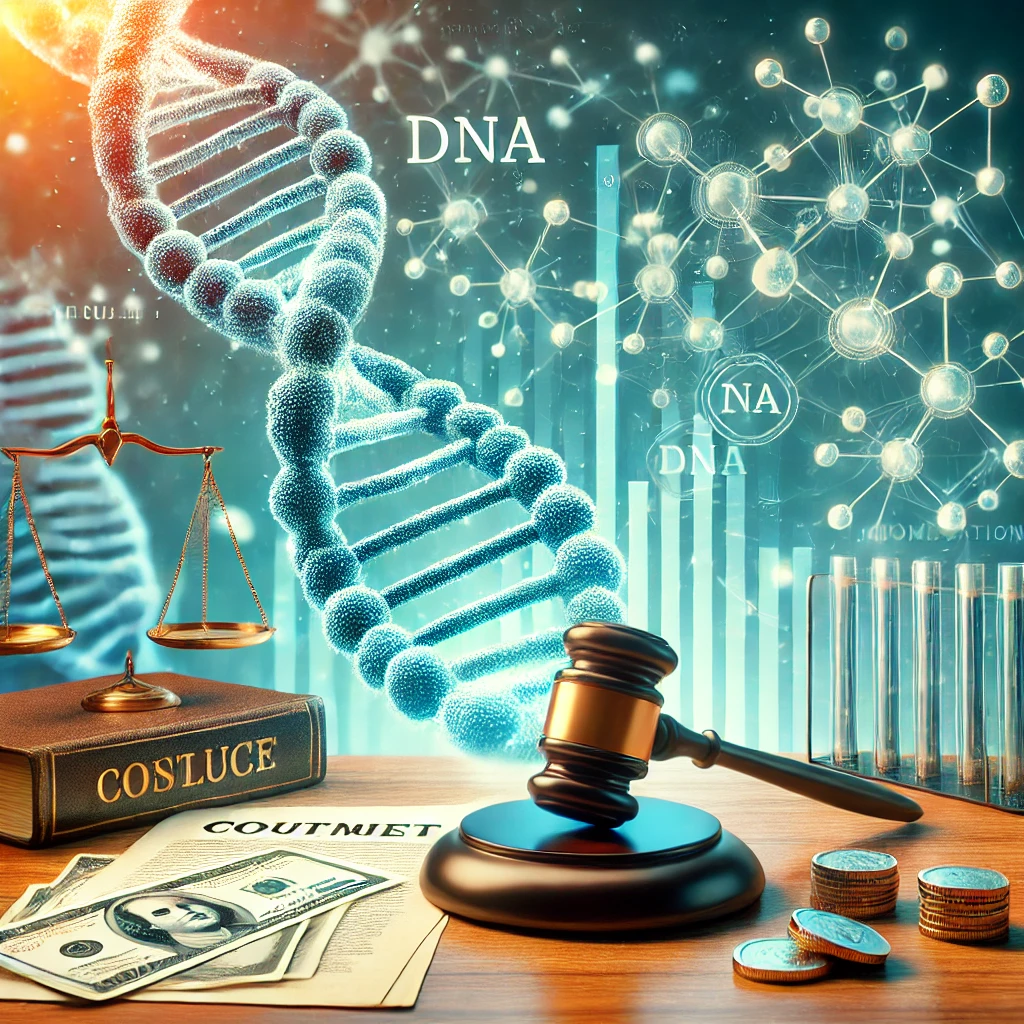
23andMe Lawsuit, a prominent genetic testing and ancestry service, has been at the center of legal controversy following a major data breach in 2023. This breach compromised millions of users’ sensitive personal and genetic information, leading to a $30 million settlement agreement in 2024.
This article explores the details of the incident, the subsequent legal actions, and the impact on the company and its customers. Here’s a table summarizing key aspects of lawsuits involving 23andMe:
| Aspect | Details |
| Company Overview | 23andMe is a genetic testing company offering DNA-based health, ancestry, and trait analysis. |
| Notable Lawsuits | Legal challenges have included issues over false advertising, privacy concerns, and patent disputes. |
| Key Cases | – False Advertising (2013): Alleged misleading claims about health insights. – Privacy Breach Concerns: Raised regarding data sharing. |
| False Advertising | A class-action lawsuit filed in 2013 alleged that 23andMe’s health claims were not scientifically validated, leading to a temporary suspension of such services by the FDA. |
| Privacy Concerns | Some lawsuits and public debates focus on whether user data is adequately protected or improperly shared with third parties. |
| Patent Disputes | The company has faced litigation over intellectual property rights, particularly with competitors in the genetic testing field. |
| Settlement Outcomes | – Settled some class-action claims by agreeing to refunds and modifications of marketing practices. |
| Impact on Users | Increased scrutiny has led to greater transparency in how data is used and the development of user consent protocols. |
| Regulatory Involvement | The FDA’s involvement shaped 23andMe’s approach to marketing and product disclosures. |
| Current Status | 23andMe continues to operate, having adjusted practices and focusing on compliance with regulatory guidelines. |
Legal and Privacy Challenges Facing Consumer DNA Testing
The legal battles surrounding 23andMe highlight how quickly privacy concerns and consumer data rights have become central issues within the direct-to-consumer genetic testing industry. As users shared deeply personal genetic information, questions emerged about whether existing protections and disclosures were sufficient to safeguard that data against unauthorized access, misuse, or improper sharing. Lawsuits against the company have cited allegations ranging from misleading marketing claims to insufficient privacy safeguards, bringing renewed scrutiny to how personal genetic information is collected, stored, and utilized. These disputes underscore the evolving landscape where technological innovation intersects with individual privacy expectations and regulatory oversight.
The Data Breach: What Happened?
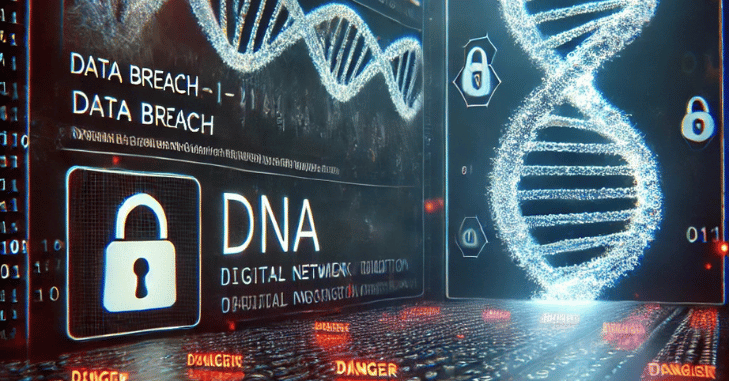
In October 2023, 23andMe revealed that unauthorized access to customer profiles occurred due to credential-stuffing attacks. This method exploits reused passwords from other breaches, enabling hackers to access accounts.
Hackers leaked data from over 6.4 million users online, including detailed profiles of specific ethnic groups such as 1 million users of Ashkenazi Jewish heritage. They also stole health reports and raw genotype data over five months, from April to September 2023.
The exposed data included sensitive details such as ethnicity, genetic predispositions, and partial health reports. This incident raised significant concerns about privacy and security for users of genetic testing services.
Data Compromised
The breach reportedly exposed:
- Names and birth years
- Ancestry details
- Health-related genetic information
- Raw genotype data for some accounts
Notably, information about users with Ashkenazi Jewish and Chinese heritage was specifically targeted and sold on the dark web, raising concerns about targeted misuse of genetic data.
Legal Response and Class-Action Lawsuits
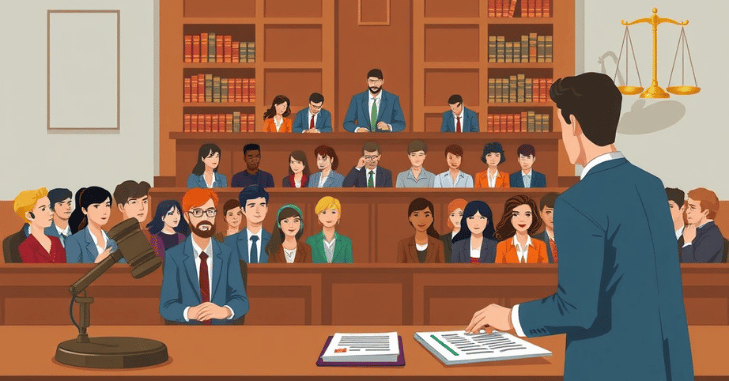
The breach resulted in many class-action lawsuits. Users who were impacted claimed that 23andMe had not put in place sufficient security procedures to safeguard their private information. The primary claims included:
- Negligence in safeguarding personal and genetic data
- Failure to notify users promptly about the breach
- Inadequate protection against credential-stuffing attacks
Settlement Agreement
In September 2024, 23andMe agreed to a $30 million settlement, which includes:
1. Monetary Compensation
- Up to $10,000 for customers who can prove significant financial losses directly linked to the breach.
- $100 payments for users whose health-related data was compromised.
- General compensation for users in specific states with stricter privacy laws, such as California and Illinois.
2. Security Enhancements
- Mandatory two-factor authentication for all accounts.
- Annual cybersecurity audits.
- Improved data retention policies to delete inactive user information.
3. Additional Benefits
- Three years of free identity theft monitoring services.
- Users can request the deletion of their data from the platform.
Broader Concerns About Genetic Data Privacy
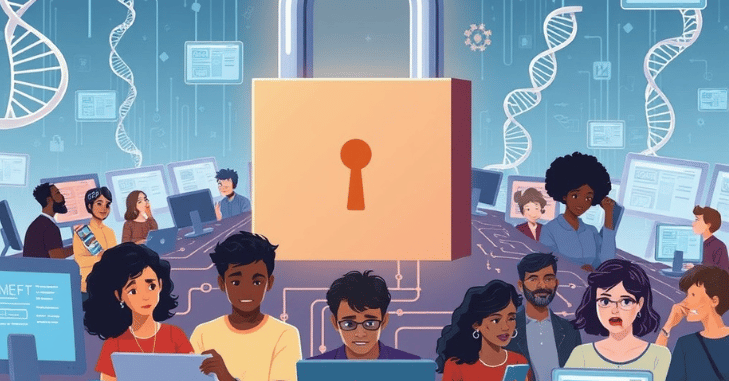
The 23andMe breach has reignited discussions about the ethical and security challenges of storing and sharing genetic data. Experts caution that strong data protection procedures are essential since, unlike passwords, genetic information cannot be altered once it has been compromised.
Implications of the Lawsuit
· Impact on Consumers
The 23andMe lawsuit has broader implications for consumers in several ways:
- Increased Scrutiny of Genetic Testing: The lawsuit has prompted consumers to scrutinize genetic testing companies more closely. Many are now more aware of these tests’ potential risks and limitations, leading to more informed decision-making.
- Data Privacy Awareness: The concerns raised in the lawsuit have heightened awareness around data privacy in genetic testing. Customers are calling on businesses to have stronger privacy policies as they become more concerned about storing, sharing, and using their genetic data.
- Health Literacy: The lawsuit underscores the need for improved health literacy regarding genetic testing. Consumers must understand that while genetic tests can provide valuable insights, they are not definitive predictors of health outcomes.
· Industry-Wide Effects
The implications of the 23andMe lawsuit extend beyond the company itself:
- Regulatory Changes: The lawsuit could prompt regulatory bodies to reevaluate the standards for genetic testing companies. To guarantee that customers obtain correct information and sufficient data protection, further laws may be implemented.
- Increased Accountability: Companies in the genetic testing space may face increased pressure to be transparent about their methodologies and the limitations of their tests. This could lead to a shift in how genetic testing services market themselves.
- Innovation in Genetic Testing: As the industry grapples with legal challenges, it may spur innovation. Companies may seek to develop more accurate tests and better consumer education tools to mitigate potential legal risks.
The Ethical Landscape
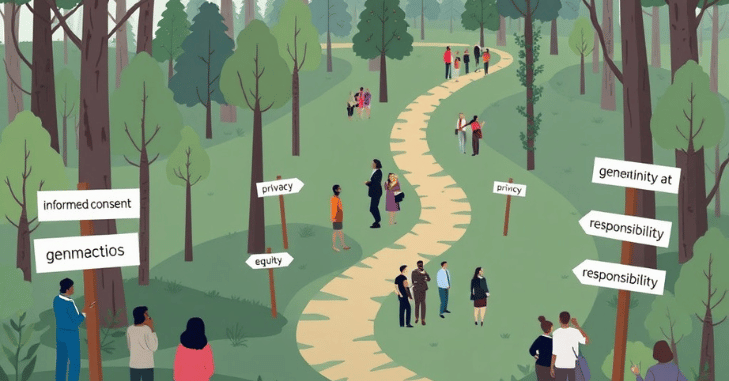
The lawsuit raises important ethical questions about consumer rights in the context of genetic testing. As technology advances and genetic testing becomes more accessible, it is crucial to establish clear guidelines to protect consumers from misinformation and data misuse.
Informed consent is a crucial ethical factor. Consumers must fully understand what they agree to when submitting their genetic information. The lawsuit highlights the need for companies to provide clear, understandable information about the implications of genetic testing, including potential risks and benefits.
The Role of Healthcare Providers
Healthcare providers play a critical role in interpreting genetic test results. The lawsuit emphasizes the importance of professional guidance in understanding the implications of genetic information. As genetic testing becomes more mainstream, collaboration between testing companies and healthcare professionals may become increasingly vital.
Conclusion
The 23andMe lawsuit is a cautionary tale for companies handling sensitive user data. While the $30 million settlement relieves affected customers, the incident highlights the urgent need for stronger cybersecurity practices and regulatory oversight in the genetic testing industry. It serves as a warning to consumers to exercise caution when it comes to the storage and sharing of personal data online.
Apart from that if you want to know about “What is Big Law? An Explanation About Its Key Characteristics, Evolution, Global Presence and Influence, Challenges and Criticisms, and Much More” then please visit our “Social Security Law” Category.
FAQs
The details of the 23andMe data breach class-action lawsuit and information on the $30 million settlement. A data leak at 23andMe around a year ago made 6.9 million profiles available.
Technical Problems: In rare cases, the laboratory processing the samples may have technical problems that result in unsuccessful analysis. Quality Control: 23andMe examines samples for quality control.
Certain types of claims, such as statutory health claims, are available only to residents of specific states like California, Illinois, Oregon, and Alaska.
Common legal issues include data breaches, misleading privacy policies, unauthorized data sharing, and claims related to consumer protection laws.
DNA testing companies face lawsuits due to concerns about data privacy, security breaches, consent practices, and how sensitive genetic information is stored or shared.