

Understanding Florida’s Strict Liability Dog Bite Law
Florida stands apart from many other states when it comes to dog bite liability. Unlike jurisdictions that may apply a “one-bite rule” (where an owner is only liable if they knew their dog had a history of aggression), Florida operates under a principle of strict liability. This means that a dog owner is generally held responsible for injuries caused by their dog, even if the dog has never bitten anyone before or shown any prior signs of aggression.
Florida Statute 767.04, often referred to as the “Dog Bite Statute,” outlines this critical legal framework. It states that the owner of any dog that bites any person while that person is on or in a public place, or lawfully on or in a private place, including the property of the owner of the dog, is liable for damages suffered by the person bitten, regardless of the former viciousness of the dog or the owners’ knowledge of such viciousness. This law helps victims hold an owner accountable, even if the owner was not careless in how they restrained the animal.
Essentially, Florida law holds dog owners strictly liable for injuries caused by their animals. There is no “one bite” rule, which means that a dog owner is responsible if their dog bites someone, even though the dog never bit anyone before. Generally, we only need to show you were bitten in a public place or had a legal right to be on private property during the attack. This principle is a cornerstone of Florida’s approach to dog bite cases. For a full understanding of the statute, you can review Florida Statute 767.04 regarding dog owner liability.
Key Exceptions to Strict Liability
While Florida’s strict liability rule is broad, there are specific circumstances that can limit or negate an owner’s liability:
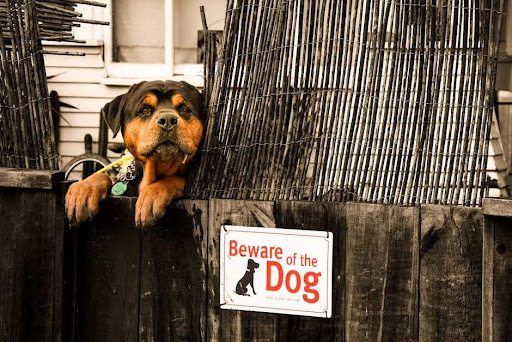
- “Bad Dog” Sign Defense: One notable exception involves the posting of a “Bad Dog” or “Beware of Dog” sign. If a dog owner prominently displays an easily readable sign warning of a dangerous dog on their property, they may be exempt from liability, provided the victim is not under the age of six. This defense is designed to protect owners who have taken reasonable steps to warn visitors of a potential danger. However, the owner can still be held liable if they were negligent in other ways, such as allowing the dog to roam freely despite the warning.
- Trespassing: The strict liability rule only applies if the bitten individual was lawfully on the property where the attack occurred. If the victim was trespassing, meaning they were on private property without permission or legal right, the dog owner may not be held strictly liable.
- Owner’s Additional Negligence: Even with a warning sign, an owner might still be liable if their additional negligence contributed to the bite. For instance, if an owner knew their dog was aggressive and failed to secure it properly, or if they actively encouraged the dog to attack, strict liability might still apply, or a case could be pursued under general negligence principles.
How Florida’s Comparative Negligence Rule Works
Another crucial aspect of Florida dog bite law is the application of comparative negligence. This rule addresses situations where the victim may have contributed to the incident through their own actions. Florida follows a “modified comparative fault” rule, which means that a dog bite victim’s compensation award can be reduced to the extent that the victim was also negligent.
Under Florida Statute 768.81, if you are found to be partly responsible for the dog bite, the dog owner’s liability will be reduced proportionally. For example, if a court determines that your injuries are worth $100,000, but you were 20% at fault for provoking the dog, your recoverable damages would be reduced to $80,000. Florida law doesn’t prevent you from receiving compensation if you were partly to blame, as long as your portion of negligence doesn’t exceed 50%. If your fault is determined to be 51% or more, you may be barred from recovering any damages.
This “shared fault” rule means that dog owners and their insurance companies may try to claim that you provoked the attack by your own actions, or that your own carelessness somehow led to the bite. It is important to understand that as a dog bite victim, your actions leading up to the incident will be scrutinized. Examples of victim provocation could include teasing the dog, entering an area clearly marked as private without permission, or otherwise behaving in a way that reasonably incited the animal. For more details on this legal principle, refer to Florida Statute 768.81 on comparative negligence.
Immediate Steps and Evidence Collection After an Attack
Being attacked by a dog can be a terrifying and disorienting experience. However, the actions you take immediately following the incident are crucial for both your health and any potential legal claim.
The first and most important step is to seek immediate medical attention. Dog bites can cause major injuries, some of which can last for years. Beyond visible wounds, there’s a significant risk of infection, especially if the dog is not vaccinated or if the bite breaks the skin deeply. Each year, 800,000 Americans seek medical attention for dog bites, and nearly 50 percent of people bitten require a visit to the emergency room. Infections can lead to serious complications like sepsis or septic shock, and in some cases, it can take several surgeries to repair damaged tissue or multiple treatments to eliminate infection and disease. Documenting your injuries and treatment from the outset is vital.
After addressing your immediate medical needs, it’s important to report the incident. Contact animal control to report the bite. This creates an official record of the event and can initiate an investigation into the dog’s history and vaccination status. Depending on the severity and circumstances, you may also consider filing a police report.
An Essential Evidence Checklist for Your Case
Collecting comprehensive evidence is paramount for building a strong dog bite claim. The more information you can gather, the better your chances of a successful outcome. Here’s a checklist of crucial evidence:
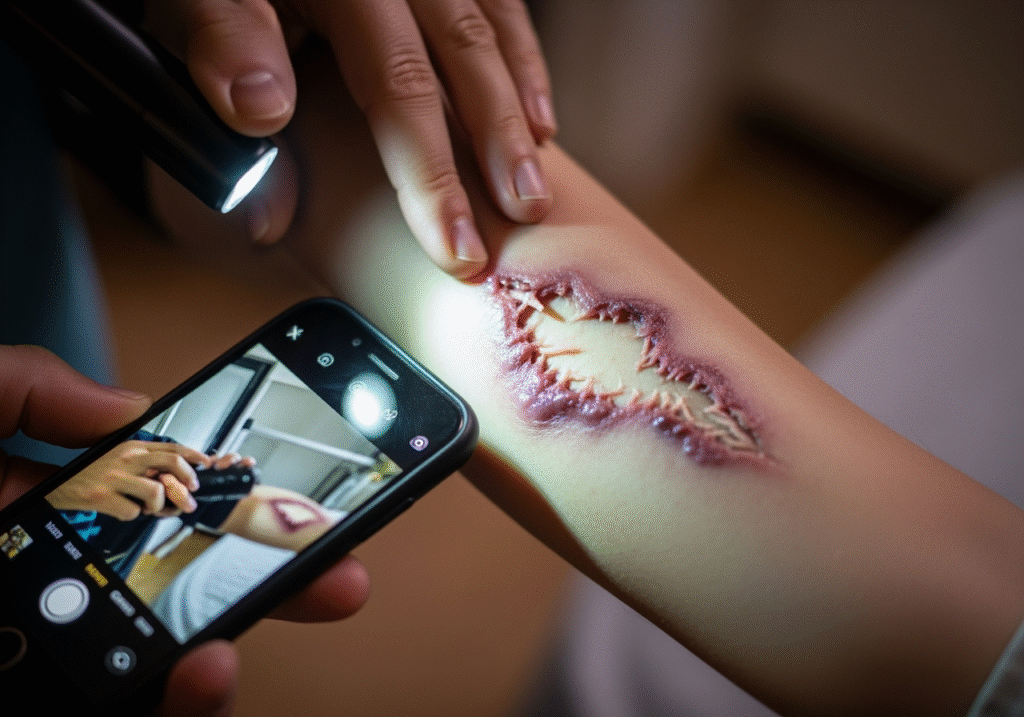
- Photos and Videos:Take clear, well-lit photos and videos of your injuries immediately after the attack and throughout the healing process. Show the severity, location, and progression of the wounds.
- Document the location where the bite occurred, including any signs, fences, or property conditions.
- If possible and safe, photograph the dog involved, its owner, and the surrounding environment.
- Witness Information:Obtain names, phone numbers, and email addresses of anyone who witnessed the attack. Their testimony can be invaluable.
- Dog Owner’s Information:Get the dog owner’s full name, address, phone number, and any available insurance information (e.g., homeowner’s insurance policy details).
- Medical Records and Bills:Keep meticulous records of all medical treatment, including emergency room visits, doctor appointments, prescriptions, physical therapy, and any other related expenses.
- Obtain copies of all medical bills and receipts.
- Animal Control and Police Reports:Get the report number from animal control and/or the police department. These official documents provide an objective account of the incident.
- Lost Wages Documentation:If your injuries caused you to miss work, gather documentation of lost income, such as pay stubs, employment records, or a letter from your employer.
- Personal Journal/Notes:Keep a detailed journal of your physical pain, emotional distress, limitations, and how the injury has impacted your daily life. Include dates and specific examples.
This evidence will be critical in establishing liability and calculating the full extent of your damages.
How a Clearwater Dog Bite Lawyer Can Strengthen Your Claim
Navigating the aftermath of a dog bite can be overwhelming, especially when dealing with physical recovery and emotional trauma. This is where the expertise of a Clearwater dog bite lawyer becomes invaluable. We understand the complexities of Florida’s dog bite laws and can provide the guidance and representation you need to pursue a successful claim.
A skilled dog bite attorney can provide comprehensive assistance, starting with a thorough investigation of your case. We will gather all necessary evidence, interview witnesses, and work with medical professionals to assess the full extent of your injuries and their long-term impact. This meticulous approach helps in accurately valuing your damages, ensuring that you seek appropriate compensation for all your losses.
Negotiating with insurance companies is another critical role a lawyer plays. Dog owners and their insurance companies may try to claim that you provoked the attack by your own actions, or that your own carelessness somehow led to the bite. Insurance adjusters often aim to settle claims for the lowest possible amount, and without legal representation, victims may unknowingly accept a settlement that doesn’t adequately cover their current and future needs. An attorney will advocate on your behalf, ensuring your rights are protected and that you receive a fair settlement.
Furthermore, a lawyer will steer the strict legal deadlines, such as the statute of limitations, ensuring that your claim is filed in a timely manner. Various deadlines apply to dog bite cases, but the goal is the same: to file a legal claim in a timely manner so that you protect your rights.

The Strategic Advantage of a Clearwater Dog Bite Lawyer
The legal landscape surrounding dog bites in Florida is unique due to its strict liability rule. While this rule generally favors victims, proving liability and maximizing compensation still requires a strategic approach. A knowledgeable legal team offers several key advantages:
- Proving Liability: Even with strict liability, dog owners and their insurance companies may attempt to introduce defenses or argue comparative negligence. An experienced attorney understands these tactics and can effectively counter them, ensuring that the owner’s responsibility is clearly established.
- Identifying All Responsible Parties: While the dog owner is typically the primary liable party, other individuals or entities might also bear responsibility depending on the circumstances. This could include a dog walker, pet sitter, landlord, or even a property owner if their negligence contributed to the incident. Identifying all potentially liable parties is crucial for maximizing your recovery. Our Board-Certified Clearwater dog bite lawyers are adept at uncovering all avenues for compensation.
- Handling Complex Statutes: Florida has many laws on the books which injured victims can use to seek financial compensation for pain and economic loss. Beyond the primary dog bite statute, there are laws concerning dangerous dogs, local ordinances (like leash laws in Pasco County, where all dogs must be under supervision or control at all times), and general negligence principles that may apply. A lawyer can adeptly steer these complex statutes and apply them to your specific case.
What Damages Can a Clearwater Dog Bite Lawyer Help You Recover?
Dog attacks can cause immense pain and suffering, and the victim of a dog bite attack can be scarred or maimed, and he or she can develop long-term limitations and disabilities. When pursuing a dog bite claim in Florida, victims can seek compensation for a wide range of damages, broadly categorized as economic and non-economic.
- Economic Damages: These are quantifiable financial losses directly resulting from the dog bite:
- Medical Bills: This includes all costs associated with your treatment, from emergency room visits and surgeries to medications, physical therapy, and rehabilitation. In some cases, it can take several surgeries to repair damaged tissue or multiple treatments to eliminate infection and disease.
- Lost Wages: If your injuries prevent you from working, you can seek compensation for income lost during your recovery period.
- Future Medical Care: For severe injuries with long-term consequences, compensation may include the projected costs of future medical treatments, therapies, or assistive devices.
- Lost Earning Capacity: If your injuries permanently affect your ability to earn a living at your previous capacity, you may be compensated for this long-term financial impact.
- Non-Economic Damages: These are more subjective losses that impact your quality of life but do not have a direct monetary value:
- Pain and Suffering: This encompasses the physical pain and discomfort you endure, both immediately after the bite and throughout your recovery.
- Scarring and Disfigurement: Many dog bites result in permanent scars, especially on visible areas like the face or limbs. Compensation can be sought for the physical disfigurement and the emotional distress it causes.
- Emotional Distress and PTSD: Being attacked by a dog can change your life. You could be left with permanent physical scars as well as emotional scars, such as a fear of dogs or post-traumatic stress disorder (PTSD). Dog attacks are almost always unexpected and sudden, and they can often result in serious, debilitating injuries, leading to significant psychological trauma.
- Loss of Enjoyment of Life: This covers the inability to participate in activities you once enjoyed due to your injuries or the psychological impact of the attack.
A comprehensive dog bite claim aims to recover compensation for all these damages, ensuring that victims are fully compensated for their pain, suffering, and financial burdens. We can help you understand your rights to compensation for these and other related damages. If you’re in the surrounding areas, we also assist with similar claims, such as those handled by a Dog Bite Attorney Largo FL or a Dog Bite Attorney Wesley Chapel FL.
Navigating Special Designations and Filing Deadlines
Beyond general liability, Florida law includes specific provisions for dogs deemed “dangerous,” imposing additional responsibilities on their owners. Furthermore, all dog bite claims are subject to strict deadlines, making timely action critical.

When a Dog is Labeled ‘Dangerous’ in Florida
Florida has specific laws concerning “dangerous dogs” under Florida Statute 767.11. If a dog has bitten before or displayed other aggressive tendencies, Florida’s dangerous dog law might apply. A dog may be classified as “dangerous” if it has:
- Aggressively bitten, attacked, or endangered a human or domestic animal on public or private property.
- Severely injured or killed a domestic animal while off the owner’s property.
- Been used for dog fighting or is a trained fighter.
Once a dog is officially designated as dangerous, its owner is required to take additional precautions to keep others safe. These requirements often include:
- Secure Enclosure: The dog must generally be kept securely confined in a proper enclosure to prevent escape.
- Muzzling and Leashing: When outside the enclosure, the dog must be muzzled and kept on a secure leash, under the control of a competent adult.
- Registration and Warning Signs: The dog must be registered with the proper authorities, and warning signs indicating the presence of a dangerous dog must be prominently displayed on the property.
Owners of dangerous dogs who fail to comply with these regulations can face significant penalties, including fines, criminal charges, and even the confiscation of their animal. These laws aim to prevent future attacks and protect the public. For a detailed look at these regulations, refer to Florida’s Dangerous Dog Law.
The Clock is Ticking: Florida’s Two-Year Statute of Limitations
One of the most critical aspects of any personal injury claim, including dog bites, is the statute of limitations. This is a legal deadline by which a lawsuit must be filed. In Florida, you typically have two years from the date you sustained the dog bite injuries to file a lawsuit. This is the same statute of limitations that applies for all personal injury lawsuits.
Florida law governing the statute of limitations for general negligence actions, including dog bite claims, was recently updated. Effective March 24, 2023, the period was shortened from four years to two years. This change applies to causes of action accruing after that date. For claims arising before March 24, 2023, the previous four-year statute of limitations generally still applies.
The two-year statute of limitations starts to run on the date the bite occurs—not the date that you’re diagnosed with an infection or realize the full extent of your injuries. This strict deadline underscores the importance of acting quickly. If a lawsuit is not filed within this timeframe, you will likely lose your right to seek compensation, regardless of the merits of your case.
This is why contacting a legal professional as soon as possible after a dog bite is so vital. We can help ensure that all necessary steps are taken, and your claim is filed within the required timeframe, preserving your legal rights. For the exact wording of the statute of limitations, please see Florida Statute 0095.11. Our firm also serves clients in nearby areas, offering the same dedicated support as a Dog Bite Attorney New Port Richey FL or a Dog Bite Attorney Spring Hill FL.
Frequently Asked Questions about Clearwater Dog Bite Claims
We often encounter common questions from individuals who have been bitten by a dog in Clearwater. Here are some of the most frequent inquiries and their answers:
Can I still get compensation if the owner claims I provoked the dog?
Yes, you may still be able to get compensation, but your recovery could be reduced. Florida follows a modified comparative fault rule. This means that if the dog owner can prove you were partly responsible for provoking the dog, your compensation award will be reduced by your percentage of fault. For instance, if you were found to be 30% at fault, your total damages would be reduced by 30%. However, if your portion of negligence exceeds 50%, you may be barred from recovering any damages. It’s crucial to have legal representation to argue against claims of provocation and protect your right to compensation.
What if the dog owner doesn’t have homeowner’s insurance?
While homeowner’s insurance is often the primary source of compensation in dog bite cases, its absence doesn’t necessarily mean you can’t recover damages. If the owner lacks homeowner’s insurance, other avenues might be explored. This could include seeking compensation directly from the dog owner’s personal assets. In some cases, if the dog bite occurred on commercial property, the business’s liability insurance might come into play. An attorney can investigate all potential sources of recovery to determine the best course of action.
Does the dog have to actually bite me for the owner to be liable?
No, the dog does not always have to make direct contact by biting for the owner to be liable for injuries. While the primary Florida dog bite statute (767.04) specifically mentions “bites,” other legal theories can apply. For example, if a dog jumps on you, causing you to fall and suffer injuries (like a broken bone or head trauma), or if a dog aggressively chases you, leading to an accident, the owner could still be held liable under a general negligence theory. This would require proving that the owner’s carelessness (e.g., failing to control the dog, violating leash laws) directly led to your injuries. Florida law holds dog owners directly liable for any damage caused by their dogs—including damage caused to other animals as well as injuries caused by the dog. Therefore, if a dog’s actions, even without a bite, cause you harm, you may have a claim.
We serve clients throughout the region, including those in St. Petersburg, as a Dog Bite Attorney St Petersburg FL, and in Trinity, as a Dog Bite Attorney Trinity FL. We also handle a broad range of personal injury matters, including cases like a Slip and Fall Attorney Clearwater FL.
Conclusion
Dog bites are serious incidents that can leave victims with profound physical, emotional, and financial burdens. Florida’s strict liability laws offer a strong legal foundation for victims seeking compensation, but navigating the nuances of exceptions, comparative negligence, and statutory deadlines requires experienced legal guidance.
Understanding your rights and the steps necessary to protect them is the first step toward recovery and justice. From seeking immediate medical attention and carefully collecting evidence to understanding the implications of a “dangerous dog” designation and adhering to strict filing deadlines, every action you take matters.
A Clearwater dog bite lawyer plays a pivotal role in this process, providing the expertise to investigate your claim thoroughly, negotiate with insurance companies, and advocate fiercely on your behalf to ensure you receive the full compensation you deserve for medical bills, lost wages, pain, and suffering. Our goal is to help you focus on your physical and emotional recovery while we handle the legal complexities.
If you or a loved one has been affected by a dog bite in Clearwater, we encourage you to seek professional legal guidance. Protecting your rights and securing accountability for the responsible parties is paramount. Take the crucial step toward healing and justice by consulting with a dedicated legal professional today. For more information on various personal injury matters, you can visit our page on Clearwater, FL Personal Injury Lawyers.
Apart from that, if you want to know more about Understanding Your Legal Options in an Estate Battle then visit our Find A Lawyer category.