

It can be challenging to prove your condition in court after a brain injury. These injuries don’t always show up like cuts or fractured bones do. Instead, the symptoms might appear slowly and change over time. Yet, to win the case, you need to provide convincing evidence that your brain was injured and how that injury affects your life.
Fresno, situated in the heart of California’s Central Valley, is known for its rich agricultural roots, diverse communities, and growing urban culture. It’s also home to leading medical centers equipped to diagnose and treat complex conditions, such as brain injuries.
If you are living in or around the area and are dealing with a brain injury claim or legal case, try searching “law firm handling brain injury cases in Fresno” to find the right support for gathering evidence and protecting your rights. In this article, we discuss several ways to prove you have a brain injury in a legal case.
Medical Imaging and Test Results
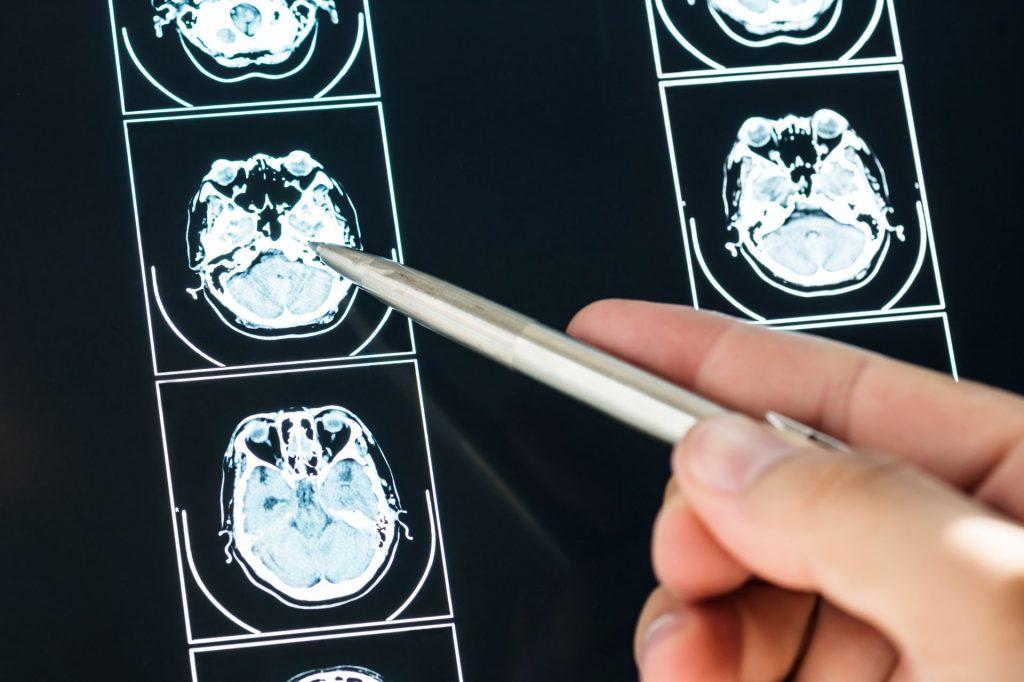
Medical scans are usually the first thing that reveals if someone has a brain injury. CT scans can find injured or bleeding tissue in the brain. MRI scans go even further by showing detailed images of your brain’s structure.
Doctors often use diagnostic tests, such as those for intracranial pressure (ICP), to detect swelling. All of these tools can confirm that you suffered trauma to your brain.
Neurological and Cognitive Assessments
Neurological and cognitive assessments evaluate the functioning of your brain. Doctors will examine aspects such as memory, speech, coordination, and processing speed.
These tests can reveal what has changed since the injury. The results of cognitive tests also explain how the injury impacts your daily life.
The Glasgow Coma Scale (GCS)
The Glasgow Coma Scale (GCS) is often used right after an accident to measure a victim’s level of consciousness. Medical staff assess your eye response, speech ability, and movement. You can use a low GCS score in court to establish that the injury was serious from the beginning.
Statements from Medical Experts
Some professionals who can provide testimony concerning your condition include neurologists, neuropsychologists, and rehabilitation experts. They are able to simplify complicated medical findings so that they can be comprehended by judges and the jury. Their testimony accords extra scientific credence to your claims.
Police and Accident Reports
The police report is quite essential if you were injured in a car accident or a similar incident. The report provides an official record of what happened. It may also include statements from witnesses and the responding officer’s observations. With this, you can connect your injury to a particular moment and cause.
Personal Symptom Journals
Writing down your symptoms every day can help you keep track of your recovery. You can write down headaches, dizziness, memory issues, and mood changes. These journals are helpful in illustrating how symptoms develop and persist over time. They help you remember things that might slip your mind.
Testimony from Family and Friends
Sometimes, the people who are close to you can notice things that doctors might miss. They can discuss your mood swings, memory lapses, or difficulties with everyday tasks. Their stories back up your claim by showing how the injury affected your life. Often, these “before and after” accounts are pretty convincing.
Apart from that if you want to know about “Types of Injury Cases You Can Trust Hughey Law Firm to Handle with Expertise” then please visit our Accidents Law Category.

