


As the third most populous county in California and home to cities like Anaheim, Santa Ana, and Irvine, Orange County combines dense residential areas with major tourist attractions like Disneyland and a large network of shops, restaurants, and businesses. Its large and diverse population often results in a wide range of family law cases, including contested and default divorces. The Orange County Superior Court handles thousands of family law filings each year, making it one of the busiest in the state.
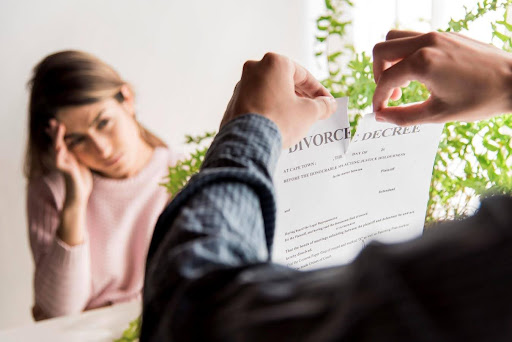
When you are going through a tough divorce, the last thing you want is for your spouse to refuse to sign the divorce papers. In Orange County, United States, you can still get a divorce even if your spouse does not cooperate.
If you’re facing issues like your spouse not responding or being uncooperative, the process may take longer; however, the court can proceed with a default judgment after taking the proper steps. Getting advice from an experienced Orange County divorce attorney can help protect your rights throughout this process.
Understanding Why Your Spouse Won’t Sign
Some spouses refuse to sign divorce papers for different reasons. Emotional reasons include denial, hope for reconciliation, or strong emotions such as anger and resentment. Financial concerns may cause a spouse to delay if they worry about losing money or support.
Strategic reasons include wanting better terms for child custody, spousal support, or property division. This refusal can prolong the process, increase costs, and delay essential decisions for your family.
Legal Steps to Take When Facing Refusal
To start, you file a divorce petition with the court. This legal document begins the divorce process and lists your requests for ending the marriage.
The next step is serving divorce papers to your spouse using approved methods, such as a process server or certified mail, to prove delivery. If your spouse does not respond, the court can move forward with the case, and you may qualify for a default judgment.
The Role of Mediation: Mediation is good to consider if your spouse is unwilling to agree. It allows both parties to discuss and attempt to resolve issues with the help of a neutral mediator.
Mediation saves time and money, gives you more control, and usually involves less conflict and stress. Both spouses need to be willing, but even a hesitant spouse may join after learning its benefits.
Requesting a Default Judgment: If your spouse does not take part, you can ask the court for a default judgment. The judge will review your documents and may grant the divorce without your spouse’s input if legal steps were followed. Possible downsides include limited input from your spouse and the risk that they may later challenge the decision.
Enforcing a Divorce Settlement: If your spouse refuses to sign an agreement you both made before, you can file a legal motion to implement it. You must show proof of the original deal and explain the refusal. The court can order your spouse to follow the agreement if proper documentation exists.
Conclusion
If your spouse will not sign the divorce papers, you still have options to move forward. You can use the legal process to protect your rights and reach a final decision.
An attorney specializing in spousal support can help you understand your options, support you through each step, and work to ensure you receive fair treatment, particularly in financial and support matters. It is helpful to have the right legal advice during this difficult time.
Apart from that, if you are interested to know about “The Types of Disputes That a Family Lawyer Can Handle” then visit our “Family Law” category.

