

Key Takeaways
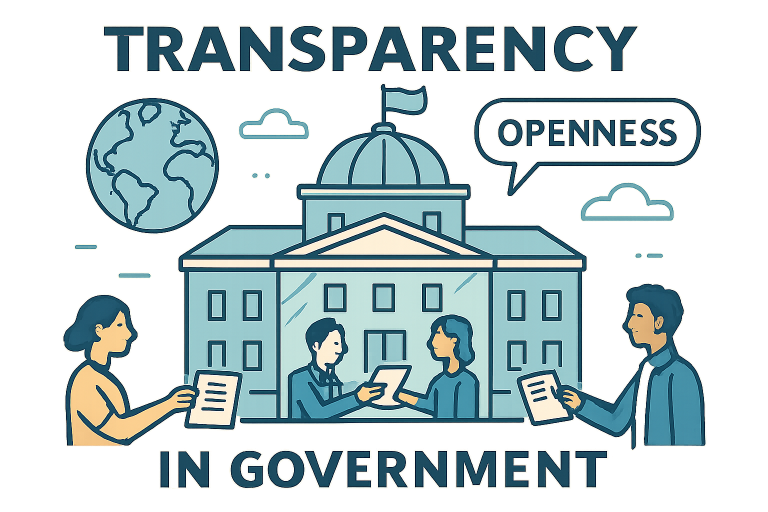
- Lobbying disclosure laws are crucial for upholding governmental transparency and public trust across the globe.
- Countries vary in regulatory approaches, but common global trends are emerging to improve standardization.
- Technological advancements, citizen activism, and international cooperation are major forces behind modern reforms.
- Understanding international compliance standards helps organizations proactively manage their obligations.
What Are Lobbying Disclosure Laws?
Lobbying disclosure laws are legal frameworks that require individuals or organizations attempting to influence government officials or legislation to report key details of their activities publicly. By demanding transparency about who is lobbying, on whose behalf, for what causes, and at what expenditure, these laws are designed to illuminate governmental decision-making. Implementing international lobbying regulations plays a pivotal role in holding policymakers and advocates accountable, allowing the public to see who is trying to shape policies or legislation.
Disclosure requirements can range from detailed registries and frequent filings to less formalized, periodic reporting. While countries like the United States maintain robust, publicly searchable databases, many other nations are revising their laws to increase consistency and improve enforceability. Transparent lobbying enables a fairer political process, minimizes risks of illicit influence, and helps protect civil societies.
Global Trends in Lobbying Transparency
Global developments in lobbying regulations reveal a trend toward tougher, more harmonized disclosure standards. Pioneering countries such as Canada, the United States, and Australia have established comprehensive laws that set the benchmark for transparency. In recent years, nations like Ireland, Lithuania, and South Korea have introduced new legislation to close loopholes and enhance accountability. International organizations, like the Organization for Economic Cooperation and Development (OECD), are working to build consensus on best practices and support governments committed to reform.
This growing alignment is also driven by an informed and digitally engaged public demanding a clearer view of how public policy is influenced. Many governments recognize that more transparent systems reduce corruption, foster meaningful civic participation, and strengthen democratic institutions.
Why Disclosure Matters for Democracies
In democratic systems, the legitimacy of political decisions depends on informed public scrutiny. Effective lobbying disclosure laws ensure that lobbying remains a recognized and valuable method for advocacy, but not a vehicle for hidden or improper influence. Transparent regulations enable journalists, watchdog organizations, and ordinary citizens to monitor relationships between lobbyists and policymakers, exposing any conflicts of interest or undue pressures.
According to recent studies by the Brookings Institution, high-quality disclosure laws correlate with stronger public trust and reduced perceptions of corruption. This transparency ultimately protects the integrity of public institutions and boosts voter confidence, contributing to the overall health of the democratic process.
Key Challenges Internationally
Despite the clear importance of transparency, varying legal cultures and economic resources mean many countries face challenges when designing and enforcing lobbying disclosure laws. The definition of lobbying activities may differ across jurisdictions, making it hard to create unified forms or standards. Some countries lack the administrative capacity to enforce compliance, leading to incomplete or outdated records. Meanwhile, special interest groups and legislative stakeholders sometimes push back against reforms, raising concerns about bureaucratic burden and privacy.
The 2023 European Parliamentary Research Service report highlights that fragmented frameworks are still common, with some regions implementing only voluntary disclosure or limiting requirements to a narrow set of activities. The task of harmonizing international lobbying laws—while respecting each country’s sovereignty and traditions—remains ongoing.
Spotlight on Regional Approaches
- North America: The United States and Canada run extensive registries mandating lobbyists to disclose clients, policy areas, and expenditures routinely. These registries are available for public review and are widely regarded as models for other countries.
- Europe: The European Union has launched the EU Transparency Register, which brings together lobbyists from various countries and requires information on financial interests, targeted policies, and lobbying activities.
- Asia-Pacific: Australia maintains comprehensive federal rules, while others, such as Japan and South Korea, have either begun reform efforts or are gradually strengthening oversight infrastructure based on emerging global norms.
These varied approaches underscore a process of ongoing experimentation and adaptation, as governments seek solutions that best fit their political cultures and societal expectations.
The Role of Technology in Compliance
Modern digital technologies have revolutionized how lobbying disclosure is managed and accessed. Centralized, searchable online databases make it easier for organizations to submit timely reports and for the public to monitor activity. Real-time data, readily accessible through user-friendly interfaces, strengthens the oversight process and deters attempts at evasion. These improvements promote open government while supporting journalists and NGOs investigating lobbying activity.
However, adopting advanced technology also brings challenges, such as ensuring cybersecurity and making platforms accessible to all users. Effective digital transformation requires not just software investment but ongoing policy support and capacity-building measures across government and civil society.
Best Practices for Organizations
- Diligently record all formal and informal communications with public officials or agencies.
- Carefully account for all lobbying expenditures and document the purpose of each activity.
- Continuously review and update compliance protocols to reflect the latest national and international regulations.
- Provide regular staff training on disclosure requirements and ethical advocacy, especially those operating across multiple jurisdictions.
- Seek legal counsel to interpret any ambiguous aspects of local or international lobbying regulations, avoiding inadvertent breaches.
Adherence consistent with these practices ensures legal compliance and helps organizations build credibility with the public and their partners.
Future Directions for Lobbying Disclosure
Looking ahead, the momentum for transparency in lobbying will continue to accelerate as societies demand more accountable government and global crises highlight the risks of opaque influence. Cross-border collaboration, guided in part by international standards bodies, will likely result in greater harmonization and increased use of technology to manage compliance and public access.
Innovations in artificial intelligence and data processing are poised to make monitoring lobbying activities more efficient than ever, empowering regulators and civil society. As these trends develop, transparent lobbying practices will remain a legal requirement and a fundamental component of healthy, resilient democracies.
Apart from that, if you want to know more about How Litigation Financing Supports Independent Attorneys then visit our Business Law category.