

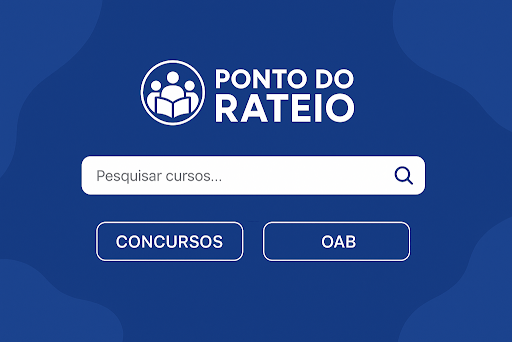

When someone hears the word Rateio, their reaction is often curiosity. After all, how can a simple idea of splitting costs turn into an organized system—with its own platform, clear rules, and even a community built around it? This site was created precisely to shape that practice, offering an environment where those who need to study but cannot afford expensive courses alone can find an alternative.
The Logic Behind Sharing
The idea is old: divide the weight so everyone carries less. In the past, neighbors joined forces to buy a flour sack at the local shop. Today, students connect virtually to share the cost of an online course. The site is a mediator, ensuring organization, control, and access. It isn’t just an improvised collection; it’s a structured system designed so people can study with more resources and fewer barriers.
First Impression: Like a Secret Club
For newcomers, the site feels almost like discovering a parallel subscription club. There are catalogs, filters, and divisions by theme: public exams, specific tests, and short and long-term training programs. Everything is organized so you don’t get lost. Imagine walking into a library where every shelf is labeled with your area of interest, that’s the vibe.
A Crucial Detail: Trust
No sharing model survives without trust. And the site knows this. It sets clear rules: who pays, how access is granted, and when the material is received. It’s almost like sitting at a café and agreeing: “You take the math notebook, I’ll take the Portuguese one, and tomorrow we swap.” Instead of friends trading notebooks, there’s a digital structure ensuring no one gets left out.
The Ritual of Joining
The process is practical: you sign up, choose an available course, join the split, and then receive access to the content. It’s like buying a pre-sale ticket, you don’t pay alone, you pay with others, and the final price feels lighter. Sometimes, it’s as simple as adding to your cart, paying, and waiting for the link to arrive.
The Inevitable Ethical Question
Of course, debate exists. On one side, people see Rateio as democratizing access: more people studying, fewer financial barriers. On the other hand, critics question copyright and the sustainability of the very institutions that create the courses. It’s almost like that eternal discussion about music: was downloading MP3s piracy, or was it the spark that led to Spotify? The site doesn’t hide from this tension; it exists precisely because education remains unequal in Brazil.
A Practical Example
Imagine a law student preparing for the Bar exam. Buying a full course alone might mean sacrificing half of their monthly budget. But by joining the system, the student shares the cost with dozens of others. The result: for a symbolic amount, they gain access to video lectures, study guides, and practice exams. It’s not just savings—it’s opportunity.
A Parallel Yet Formal Market
Curiously, the whole thing feels formal: terms of use, refund policies, support channels. There’s no sense of wandering into a shady internet corner. On the contrary, the site’s design, contact forms, and clear instructions inspire confidence. It’s like walking into a neighborhood shop that’s grown but keeps its homemade atmosphere.
The Collective Study Effect
Another often-overlooked effect is the formation of study groups. While splitting costs, people often meet in forums, chat groups, and even in person. Financial logic becomes a social bridge. Instead of fighting alone against a pile of PDFs, students find company. It’s a reminder that learning is rarely a solitary act.
Risks and Precautions
Nothing is perfect. There are risks of content release delays, disappointment with material quality, or technical issues. That’s why the site emphasizes rules and clarifies limits. Transparency acts as a shield: users know it’s not the same as buying directly from the institution, but they also don’t carry the burden alone.
Final Reflection: Between Necessity and Innovation
This site isn’t just about splitting costs—it’s about creating access points. In a country where education is still a privilege for a few, finding creative ways to open doors is almost a political act. Sure, there are contradictions and dilemmas, but there are stories of passing exams, reviving dreams, and people who didn’t give up precisely because they found this alternative.
Quick Questions People Always Ask
Is it legal to participate? The answer is tricky: it depends on how you interpret copyright and shared use. The site exists and operates, but each person must decide.
Are the courses complete? Yes, generally full packages, though details vary with each offer.
Can I trust I’ll receive the content? The system only works because delivery happens. Still, as with any online service, it’s wise to check reviews and rules.
Is it worth it? For many, yes—if the goal is studying at a lower cost and accessing otherwise expensive materials. If supporting the course creators directly is your priority, maybe not.
In the end, the concept of Rateio applied to courses reveals something simple: when the burden is too heavy, sharing isn’t just relief—it’s a strategy. And this strategy, as controversial as it may be, has helped many keep the project of studying and moving forward alive.