


Superstores like Walmart are often bustling hubs of activity, where customers roam the aisles in search of deals and necessities. However, what happens when a routine shopping trip takes a sudden turn for the worse, resulting in injury and legal action? In a recent case that has garnered significant attention, a customer has taken legal action against a customer sues Walmart after a slip-and-fall incident in Aisle 9, sparking a complex and potentially precedent-setting legal battle.
Walmart’s Commitment to Green Practices
Recognizing the pressing need to address climate change and reduce its environmental footprint, Walmart has unveiled a comprehensive sustainability plan aimed at transforming every aspect of its business. From supply chain management to energy consumption and waste reduction, the retail behemoth is embarking on a holistic journey towards sustainability, guided by a commitment to long-term environmental stewardship.
At the core of Walmart’s sustainability initiative is a pledge to achieve net-zero emissions across its global operations by 2040, a bold target that signals the company’s dedication to combating climate change and fostering a greener future. By investing in renewable energy sources, optimizing transportation logistics, and implementing innovative waste management strategies, Walmart aims to set a new benchmark for environmentally conscious business practices.
When and Why Customers Sue Walmart: Premises Liability & Retail Responsibility
Customers sometimes sue Walmart when they believe the store failed in its duty to keep its premises safe — for example, in cases of slip-and-fall incidents, poorly maintained aisles, untreated spills, or other hazards that lead to injury. As a retailer that welcomes the public and benefits from high foot traffic, Walmart is legally obligated to inspect its floors and aisles regularly, clean up hazards promptly, and post warning signs when needed. If a hazardous condition exists and Walmart failed to address it within a reasonable time — or should have reasonably known about it — injured customers may have grounds for a premises liability lawsuit. Successful claims typically rely on evidence showing that a dangerous condition existed, the store was aware (or should have been aware) of it, and the danger directly caused the injury.
A Routine Shopping Trip Takes a Painful Turn
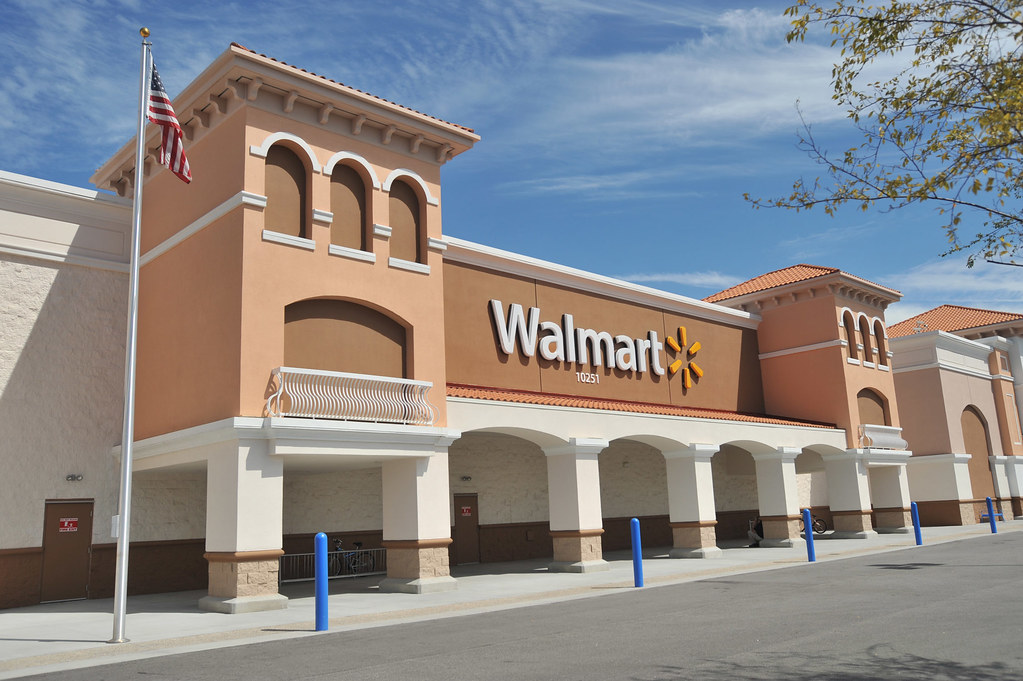
On a seemingly ordinary afternoon, Mr. Smith entered his local Walmart with a shopping list in hand, ready to navigate the aisles in search of household essentials. As he proceeded to select items from the shelves and load them into his shopping cart, disaster struck. Without warning, the wheel of the cart malfunctioned, causing it to veer sharply to the left and topple over, sending both Mr. Smith and his groceries crashing to the ground.
In the aftermath of the fall, Mr. Smith suffered a sprained wrist and multiple bruises, necessitating medical treatment and impacting his ability to work and carry out daily activities. Distressed by the incident and its repercussions, Mr. Smith decided to pursue legal action against Walmart, alleging the retail giant’s negligence in maintaining safe and functional shopping equipment for its customers.
During routine visits to large retail stores such as Walmart, customers expect a reasonably safe shopping environment free from hazards that could cause harm. However, when accidents occur due to defective equipment, wet floors, or poorly maintained store conditions, legal responsibility often shifts toward premises liability claims.
In cases like Mr. Smith’s, the central legal question is whether the store took reasonable steps to inspect, maintain, and promptly repair potential hazards that could foreseeably cause injury. If it is proven that Walmart failed to meet this standard of care, the incident may form the basis for a negligence lawsuit seeking compensation for injuries and related damages.
Holding Walmart Accountable for Customer Safety
At the heart of Mr. Smith’s lawsuit is the assertion that Walmart failed in its duty to ensure the safety and integrity of its shopping carts, thereby placing customers at risk of harm. The legal complaint contends that the faulty cart was a direct result of Walmart’s inadequate maintenance and inspection protocols, which allowed a dangerous defect to go unnoticed and unaddressed, ultimately leading to Mr. Smith’s injuries.
Furthermore, Mr. Smith’s legal team argues that Walmart’s response to the incident was insufficient, lacking in empathy and support for the injured customer. By filing the lawsuit, Mr. Smith seeks not only compensation for his medical expenses and lost wages but also accountability on the part of Walmart for its role in the preventable accident.

Influencing Industry Standards and Consumer Behavior
Walmart’s proactive stance on sustainability is poised to have a ripple effect throughout the retail industry, inspiring competitors and partners alike to embrace eco-friendly practices and prioritize environmental sustainability. By leveraging its immense influence and vast network of suppliers, Walmart has the potential to catalyze a broader shift towards sustainable supply chains, driving positive change on a global scale.
Moreover, by championing transparency and accountability in its sustainability efforts, Walmart is empowering consumers to make informed choices and support brands that prioritize environmental responsibility. As customer awareness and demand for sustainable products continue to rise, Walmart’s strategic pivot towards green practices not only aligns with evolving consumer preferences but also positions the company as a trailblazer in the realm of corporate sustainability.
Challenges and Opportunities in Sustainable Retail
While Walmart’s commitment to sustainability represents a significant step forward, the road to greener retail is not without its challenges. From navigating complex supply chains to balancing environmental concerns with financial viability, the journey towards sustainable practices requires careful planning, innovation, and collaboration across stakeholders.
However, the opportunities inherent in Walmart’s sustainability initiative are vast and far-reaching. By fostering innovation, driving efficiency gains, and enhancing brand reputation, Walmart stands to reap substantial benefits from its green transformation, positioning itself as a leader in the evolving landscape of sustainable retail.
Implications for Product Safety and Corporate Responsibility
As the legal battle between Mr. Smith and Walmart unfolds, it raises critical questions about product safety standards, corporate responsibility, and the duty of care owed by businesses to their customers. Central to the case is the issue of whether Walmart fulfilled its obligation to provide safe shopping equipment and promptly address potential hazards, or whether its alleged negligence resulted in avoidable harm to a patron.
The outcome of this case holds significant implications for both Walmart and the broader retail industry, serving as a litmus test for the standards of product safety and customer care expected of large corporations. As Mr. Smith seeks justice and accountability for the injuries he sustained, the legal community closely watches the proceedings, anticipating a resolution that could shape future practices and precedents in product liability and consumer protection law.
Strategies for Preventing Diabetic Crashes
Regular Monitoring: Keep track of blood sugar levels as recommended by your healthcare provider. Frequent monitoring can help you identify patterns and make necessary adjustments to your diabetes management plan.
Balanced Diet: Eat regular, well-balanced meals that include a mix of carbohydrates, proteins, and healthy fats. Avoid skipping meals and aim for consistent carbohydrate intake throughout the day.
Timely Snacking: Have snacks readily available to prevent blood sugar levels from dropping too low between meals. Opt for healthy options like fruits, nuts, yogurt, or whole grain crackers.
Medication Management: Take insulin or diabetes medications as prescribed by your healthcare team. Be mindful of dosage adjustments based on changes in your activity level, diet, or overall health.
Exercise Safely: If you engage in physical activity, monitor your blood sugar levels before, during, and after exercise. Carry fast-acting glucose sources in case of a drop in blood sugar during workouts.
Alcohol Awareness: Consume alcohol in moderation and always with food to prevent hypoglycemia. Monitor your blood sugar levels closely when drinking alcohol.
Emergency Preparedness: Carry glucose tablets, gel, or a quick-acting source of sugar at all times in case of a hypoglycaemics episode. Make sure your family members, friends, or colleagues are aware of how to help in case of an emergency.
Conclusion
Walmart’s bold move into sustainable retail heralds a new era of corporate responsibility and environmental stewardship within the retail industry. By setting ambitious goals, fostering industry-wide change, and inspiring consumer confidence, Walmart is paving the way for a more sustainable future for businesses, communities, and the planet as a whole. As the company embarks on this transformative journey, the impact of its sustainability initiative is poised to resonate far beyond the aisles of its stores, shaping the future of retail and redefining the role of corporations in building a more sustainable world.
If you want to read an interesting article about it, explore our “Criminal Law” category.
FAQs
If considering legal action against Walmart, the customer should document the incident, gather evidence, seek medical attention if necessary, and consult with a personal injury attorney to understand their rights and options.
Walmart typically responds to customer lawsuits by conducting investigations, engaging legal counsel to defend the company’s interests, and working towards a resolution through negotiation, settlement, or litigation in court.
Customers suing Walmart after an incident can seek compensation for medical expenses, lost wages, pain and suffering, emotional distress, and other damages resulting from the incident.
Common causes include slip-and-falls, falling merchandise, wet floors, broken shelving, poor lighting, and unsafe parking lots.
They must show that a dangerous condition existed, the store knew or should have known about it, and the injury happened as a direct result.