


If you are comparing DUI or DWI, the main difference usually depends on the state where the offense occurs. DUI commonly means “driving under the influence,” while DWI can mean “driving while intoxicated” or “driving while impaired.” Some states use one term, while others give both different legal meanings.
The acronym alone does not tell you how serious a charge is. State statutes control the offense, evidence requirements, penalties, and licensing consequences. Your blood alcohol concentration, prior record, age, and circumstances can also affect the case.
Direct answer: DUI and DWI both describe impaired-driving offenses in the United States. Neither term is automatically more serious nationwide. Some states use only one label, while others create separate offenses. The law of the state where the stop occurred determines what the charge means and what penalties may apply.
DUI and DWI at a Glance
| Question | DUI | DWI |
|---|---|---|
| Common meaning | Driving Under the Influence | Driving While Intoxicated or Impaired |
| Used nationwide? | No | No |
| Can involve alcohol? | Yes | Yes |
| Can involve drugs? | Often | Often |
| Automatically more serious? | No | No |
| Definition controlled by | State law | State law |
| Common evidence | BAC results, observations, tests, video | BAC results, observations, tests, video |
The National Highway Traffic Safety Administration treats impaired-driving terminology as state-specific. Its materials note that states may call an offense DWI, DUI, or another similar term. That makes the underlying statute more important than the acronym printed on a citation.
What Does DUI Mean?
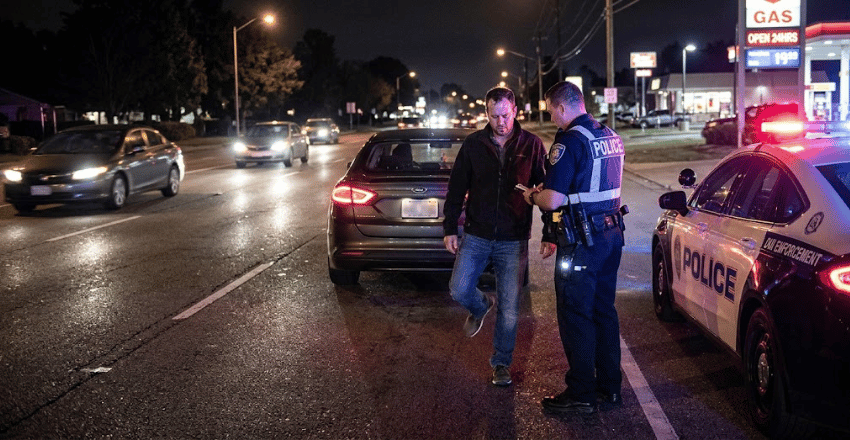
DUI usually means driving under the influence. The influence may come from alcohol, illegal drugs, prescription medicines, or other impairing substances. The exact definition depends on the law where the driver was stopped.
A DUI case does not always require proof that a driver exceeded a particular alcohol limit. Many states let prosecutors rely on evidence of unsafe impairment. Officer observations, driving behavior, chemical tests, and video recordings can all become relevant.
The term is common in states such as California and Florida. Other jurisdictions use different names for similar conduct. That variation can make national comparisons confusing.
What Does DWI Mean?
DWI generally means driving while intoxicated or driving while impaired. The wording depends on the jurisdiction using the abbreviation. A DWI charge may involve alcohol, drugs, or a combination of substances.
NHTSA defines DWI broadly in its safety materials. It describes the offense as driving while impaired by alcohol or drugs. The agency also notes that another state may call the same basic offense DUI.
Some jurisdictions use DWI as their primary impaired-driving offense. Others use it alongside another charge with a different threshold. You therefore need the state statute before comparing severity.
DUI or DWI: Which One Is Worse?
There is no nationwide answer to whether DUI or DWI is worse. One state may use DWI for its standard intoxicated-driving offense. Another may use DUI for essentially the same conduct.
Texas provides a useful example of how terminology can differ. Texas Penal Code Section 49.04 calls the adult offense “Driving While Intoxicated.” The state separately prohibits a minor from driving with any detectable alcohol under its Alcoholic Beverage Code.
New York uses another system. Its laws recognize DWI and several DWAI offenses rather than using DUI as the standard statutory label. New York DMV materials distinguish offenses by alcohol level, drugs, and the degree of impairment.
The practical lesson is simple. Don’t assume one acronym means a lighter or harsher offense. Check the actual statute, charge, and facts instead.
How State Laws Change the Meaning
Impaired-driving law is primarily a matter of state law. That creates meaningful differences in terminology, blood alcohol limits, license consequences, sentencing, and diversion options. The same conduct can therefore carry different legal labels across state lines.
| Example | Common terminology | Important distinction |
|---|---|---|
| Texas | DWI, plus DUI-related rules for minors | Adult intoxication and underage alcohol driving use different provisions |
| New York | DWI and DWAI | Different categories depend on substance and impairment level |
| California | DUI | DUI is the standard impaired-driving term |
| Florida | DUI | State law primarily uses DUI |
| Utah | DUI-related terminology | General BAC limit is lower than most states |
This table is only a terminology overview. It should not replace current state statutes or advice about a specific case. Laws can also change through legislation and court decisions.
What BAC Level Is Illegal in the United States?
For most adult drivers, a blood alcohol concentration of 0.08 g/dL is the general per se limit. Utah uses a 0.05 g/dL limit for ordinary drivers. The NHTSA drunk-driving resource and the CDC impaired-driving overview both identify Utah as the national exception to the usual 0.08 standard.
A per se limit is not the same as a guaranteed safe-driving threshold. NHTSA reports that alcohol can affect driving ability below 0.08. A driver may also face an impairment-based charge without exceeding the usual per se threshold.
Drivers under 21 face stricter alcohol rules nationwide. Commercial drivers can also face lower applicable thresholds and separate regulatory consequences. Anyone facing a real charge should check the rules that apply to their driver category.
Can You Get Charged Without a 0.08 BAC?
Yes, depending on state law and the evidence. A BAC reading matters, but it isn’t the only way prosecutors can try to prove impairment. Driving behavior and physical observations can also support a case.
Police reports may describe lane movement, reaction time, speech, balance, or other observations. Field sobriety exercises and body-camera footage may also become evidence. Drug-related cases can involve additional testing and expert testimony.
A low BAC result therefore does not automatically end every impaired-driving investigation. The legal question may focus on actual impairment rather than a numerical threshold alone. The relevant statute’s wording determines what prosecutors must prove.
What Penalties Can Follow an Impaired-Driving Conviction?
Penalties vary significantly by state and case history. A first offense may involve fines, license restrictions, treatment requirements, probation, an ignition interlock, or jail exposure. Repeat offenses commonly carry stronger consequences.
Several factors can increase a case’s seriousness. High alcohol levels, prior convictions, crashes, injuries, child passengers, or refusal issues may change the possible penalties. States define these aggravating factors differently.
A criminal case can also create consequences outside the courtroom. Insurance costs, employment requirements, professional licensing, and access to vehicles may be affected. These secondary effects can last longer than the immediate sentence.
If you have already been arrested, LawBLink’s guide on what to do after a DUI arrest explains practical steps involving deadlines and evidence.
Does a DUI or DWI Include Drug-Impaired Driving?
Both labels can include drug impairment when state law defines them that way. The substance does not always need to be illegal. Prescription and over-the-counter medicines may create legal problems if they impair safe driving.
NHTSA describes impaired driving as conduct involving alcohol or other drugs. Its terminology includes illegal substances, prescription medications, and certain over-the-counter products. State statutes still determine the elements of a criminal charge.
Drug-impaired cases can also differ from alcohol cases because a simple BAC-style measurement may not apply. Testing methods, timing, observed behavior, and expert interpretation may matter more. That makes state-specific legal analysis especially important.
What Happens After an Arrest?
An arrest starts a process; it doesn’t prove guilt. The driver may face both a criminal case and a separate license proceeding. Those two processes can have different deadlines.
Evidence can include the traffic stop, officer observations, breath results, blood testing, video, and witness accounts. A defense lawyer may review whether procedures and testing complied with applicable law. LawBLink explains these issues in its guide to how a DUI defense lawyer can help.
Time can matter after an arrest because administrative deadlines may be short. Preserve paperwork and avoid guessing about another state’s requirements. Local legal advice can clarify what applies in the jurisdiction handling the case.
What If an Impaired Driver Causes a Crash?
A collision can create both criminal and civil consequences. Prosecutors may charge the accused driver. Injured people may separately pursue compensation through insurance or a civil claim.
The available damages and legal standards depend on state law. Relevant losses may include medical expenses, lost income, property damage, and other costs. Serious injuries can substantially increase the stakes for everyone involved.
LawBLink also covers rights after a drunk-driving collision for readers dealing with the aftermath of a crash. That issue is separate from determining which criminal acronym a state uses.
Other Terms You May See
DUI and DWI are not the only impaired-driving labels used in America. Several states use different abbreviations for similar offenses. Those terms may also describe different degrees of impairment.
Common examples include:
- OWI: Operating While Intoxicated
- OUI: Operating Under the Influence
- DWAI: Driving While Ability Impaired
- DUII: Driving Under the Influence of Intoxicants
- OVI: Operating a Vehicle Impaired
These terms show why the statute matters more than everyday language. Two states can criminalize similar conduct while naming the offense differently. Never rely only on an acronym when evaluating a legal charge.
Frequently Asked Questions
Is DUI the same as DWI?
In many states, the terms refer to the same general type of impaired-driving conduct. In other states, lawmakers use only one term or create separate offenses. The applicable state law provides the controlling definition.
Is DWI always more serious than DUI?
No, DWI is not automatically more serious nationwide. Some states do not use both terms at all. Where both exist, their relative severity depends on the statutes involved.
What does DUI or DWI mean on a background check?
A dui or dwi entry usually identifies an impaired-driving case or conviction under state law. The record may show the specific statute, disposition, and sentence. The effect on employment or licensing depends on the job, jurisdiction, and record.
Can prescription medicine lead to an impaired-driving charge?
Yes, a lawful prescription does not always prevent an impaired-driving charge. The key issue can be whether the substance affected the person’s ability to drive safely. State law determines how prosecutors must establish impairment.
Can you be arrested if your BAC is under 0.08?
Yes, officers may still arrest you below 0.08 if other evidence shows impairment. Utah also uses a lower general limit of 0.05. Drivers under 21 and certain commercial drivers face stricter standards.
Should I hire a lawyer after an impaired-driving arrest?
Legal representation is especially useful when deadlines, license consequences, or criminal charges are involved. An attorney can explain the local law and evaluate the evidence. LawBLink’s DUI defense overview outlines several issues lawyers commonly examine.
The Bottom Line
The difference between DUI and DWI is not governed by one national rule. State law determines the label, elements, evidence standards, and possible punishment. That is why comparing acronyms without identifying the jurisdiction can produce the wrong answer.
For most readers, the safest interpretation is that both terms describe impaired driving. The specific charging statute tells you what the government must prove. BAC level, drugs, age, prior offenses, and aggravating circumstances can then affect the result.
If you are facing an arrest or charge, read the charging document and identify the exact statute. Check any license deadlines immediately and preserve relevant records. For case-specific advice, speak with a qualified attorney who handles impaired-driving matters in your state.