
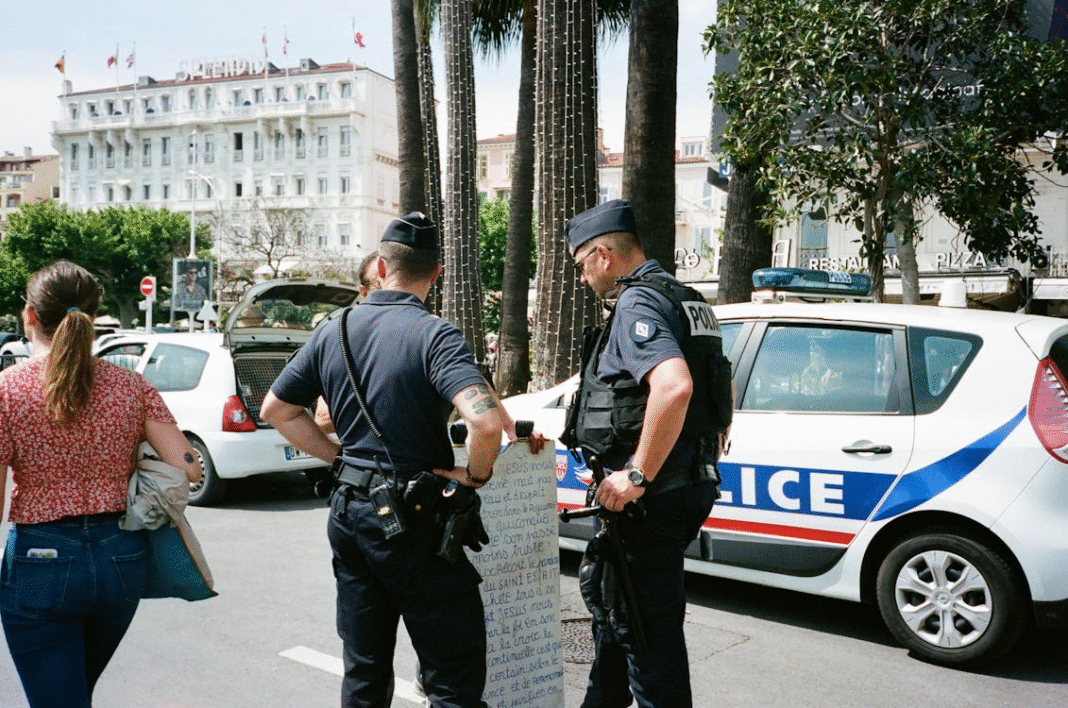

Tactical gear has become more common in everyday life. Once used mainly by police or military professionals, it’s now showing up in civilian hands for sport shooting, self-defense, and outdoor use. This growing interest isn’t just about appearance—it reflects a shift in how people view safety and preparedness.
Today’s market offers everything from holsters and stabilizers to modular grip systems and gear mounts. But the way law enforcement uses these items is often very different from how civilians use them. Gear choices are shaped by training, job needs, personal goals, and legal access.
Understanding these differences helps explain why some gear is designed the way it is. It also helps buyers pick the right products without spending on features they may never use. Whether someone’s walking a beat or heading to the range on the weekend, their needs are real, but not the same.
Gear Purpose: Utility vs. Daily Preparedness
Law enforcement officers depend on their gear every day. Their kits must be ready for unpredictable situations, such as crowd control, search operations, high-stress arrests, and rescue calls. Their gear needs to be secure, fast to deploy, and durable. They often work long shifts and move fast, so comfort and easy access are essential.
Civilians have different motivations. They might be sport shooters, outdoor enthusiasts, or people interested in home defense. Some use tactical gear at the range, while others keep it for emergencies. They often look for compact, user-friendly setups that don’t require tools or experience to install.
One company offering gear for both professional and personal use is Recover Tactical. At Recover Tactical tactical gear products are designed to meet the needs of both groups. Law enforcement buyers might focus on robust, secure holsters or mounting options that stay stable under pressure. Civilians, on the other hand, often want gear they can install at home, like slide racks, rails, or grip systems that help them customize handguns for comfort and accuracy.
The growing overlap between gear markets has led to more flexibility in design. Companies now offer modular systems that allow users to build setups that match their use, whether that’s a duty belt or a nightstand drawer.
This flexibility benefits everyone. It makes tactical gear more useful in daily life, whether you’re working in law enforcement or just want a more practical way to carry or store your tools. Still, how gear is chosen and used varies by training and access, which leads to the next key difference.
Training and Familiarity
Training plays a big part in how tactical gear is used. Law enforcement officers receive formal training on how to carry, deploy, and maintain their equipment. This allows them to use their gear with precision and consistency in high-pressure settings.
Civilians, on the other hand, follow a range of learning paths. Some take formal firearms safety or self-defense courses. Others learn through recreational use at ranges or outdoor environments. This variation means civilian users often need gear that is easy to understand, set up, and adapt over time.
Because civilians are not bound by the same standards as law enforcement, they may choose gear based on comfort, appearance, or modular options that suit their specific needs. Professionals, however, must follow strict rules that govern how gear is worn and used during duty.
Customization and Modularity
Law enforcement professionals usually operate under department-issued standards. Their gear is issued with specific guidelines, leaving little room for customization. This approach prioritizes uniformity and function across the team.
Civilians have much more freedom to modify their loadouts. This includes changing grips, adding rails, or using stabilizers that improve comfort or handling.
Civilian users often value this flexibility. It lets them adjust their setup based on intended use, like swapping components for range days versus storage or carry. This hands-on approach also appeals to those who enjoy the process of learning their gear through trial and use.
Legal and Practical Limits
One of the clearest differences between these two groups lies in legal access. Law enforcement officers are allowed to carry tools that civilians legally can’t—depending on state or country laws. These can include certain lights, suppressors, or high-capacity equipment.
Civilians need to follow both local and federal laws, which may restrict their access to some features or require registration. This affects not just what they can buy, but how it can be stored, mounted, or carried.
Use Scenarios: On the Job vs. At Home or Range
Law enforcement gear needs to handle tough conditions. Officers wear their kits for hours at a time, sometimes in extreme weather or in constant motion. Weight, balance, and fast access are top priorities. Their tools need to hold up under daily use and sudden events.
Civilians typically use their gear in more controlled settings, like the range, their home, or during camping or hiking. Because their gear isn’t worn all day, different features become more important, such as portability, ease of storage, and adaptability to specific tasks.
Even though both groups rely on tactical gear, the way they experience it day to day varies a lot.
What Overlaps: Functionality, Safety, and Innovation
In the end, both law enforcement and civilians want gear they can count on. Whether it’s for public safety or personal peace of mind, reliability and ease of use matter to both.
Advances in tactical gear benefit everyone. Law enforcement often tests new gear in the field, and the feedback helps brands refine products for the wider market. This means civilians now have access to better designs and materials, without needing professional-level experience to use them.
Tactical gear serves many purposes, but its users define how it works in the real world. From duty belts to grip upgrades, the difference often lies in the goal behind the gear. Law enforcement uses it to serve others. Civilians use it to feel more prepared, more capable, and more secure in their space. Both paths are valid, and the tools available today support them equally well.
Apart from that if you want to know about “Exhibition of Speed Laws: Know Your Rights and Defenses” then please visit our Legal Advice Category.