

Introduction
South Carolina abortion laws are a focal point of ongoing legal, political, and ethical debates in the state. Shaped by a mix of state legislation, court rulings, and deeply divided public opinion, these laws have significantly evolved in recent years—most notably with the passage of the Fetal Heartbeat Bill, which bans most abortions after six weeks of pregnancy.
This overview examines the current legal framework, key exceptions, consent and parental requirements, and the broader societal impact. As legal challenges continue and public discourse intensifies, understanding South Carolina abortion laws is essential to grasping the future of reproductive rights in the region.
| Categories | Details |
| South Carolina Abortion Laws | Contentious Issue |
| Current Laws | Heartbeat Ban |
| Law Provisions | Ultrasound Requirement |
| Medical Exceptions | Emergency Permitted |
| Rape/Incest | Rape/Incest |
| Waiting Period | 24-Hour Delay |
| Parental Consent | Judicial Bypass |
| Legal Challenges | Ongoing Lawsuits |
| Constitutional Arguments | Privacy Rights |
| Public Opinion | Deeply Divided |
South Carolina Abortion Laws
Abortion in South Carolina is a contentious issue shaped by state legislation, judicial decisions, and public opinion. The current laws impose significant restrictions, particularly through the Fetal Heartbeat Bill, which limits access to abortion care after six weeks of pregnancy. Exceptions exist for medical emergencies, rape, and severe fetal abnormalities, but these can be difficult to navigate. Consent requirements add further barriers, particularly for minors. As legal challenges emerge and public opinion continues to evolve, the future of South Carolina abortion laws remain uncertain, reflecting broader national debates on reproductive rights.
Current Abortion Laws
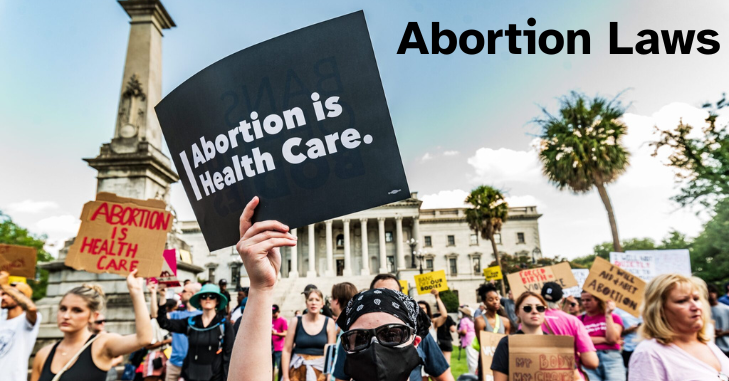
South Carolina has implemented several laws regulating abortion. The most significant is the “Fetal Heartbeat Bill,” which prohibits abortions once a fetal heartbeat is detected, typically around six weeks of gestation. This law effectively bans most abortions, as many individuals may not realize they are pregnant by this time.
The law also includes specific provisions requiring that individuals seeking an abortion be informed of the fetal heartbeat and offered the opportunity to view an ultrasound. Medical professionals must comply with these regulations, facing penalties for non-compliance.
Exceptions to the Law
While the Fetal Heartbeat Bill is restrictive, it does provide certain exceptions.These exceptions, however, require individuals to navigate a complex legal and medical landscape, often leading to emotional and logistical challenges. Abortions are permitted in cases of:
- Medical Emergencies: If the health of the pregnant individual is at risk or if there are severe fetal anomalies.
- Rape or Incest: Individuals who are victims of rape or incest can seek an abortion, though they must provide documentation or evidence of the assault.
- Severe Fetal Abnormalities: If medical professionals determine that the fetus has a condition that is incompatible with life outside the womb, an abortion is permitted.
Consent Requirements
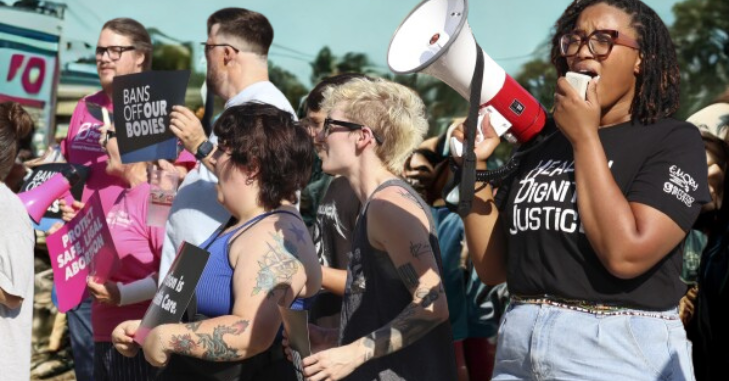
South Carolina law mandates that individuals seeking an abortion must give informed consent. These consent requirements are intended to ensure that individuals are fully informed; however, critics argue that they create additional barriers to accessing care.This involves:
- Counseling: Individuals must receive counseling that includes information about the procedure, potential risks, and alternatives to abortion.
- Waiting Period: A mandatory 24-hour waiting period is required after counseling before the procedure can be performed.
- Parental Consent: For minors, parental consent is required, unless a judicial bypass is obtained. This process can be daunting for young individuals seeking autonomy over their reproductive choices.
Legal Challenges
The legal landscape surrounding abortion in South Carolina has been fraught with challenges, as various groups advocate for or against the existing laws. As legal battles continue, the future of abortion access in South Carolina remains uncertain.Several key legal challenges have emerged:
- Constitutional Challenges: Opponents of the Fetal Heartbeat Bill argue that it violates constitutional rights established by Roe v. Wade, which guarantees the right to privacy in reproductive decisions.
- Lawsuits: Advocacy groups, including the American Civil Liberties Union (ACLU), have filed lawsuits challenging the legality of the Fetal Heartbeat Bill, arguing that it imposes undue burdens on individuals seeking abortions.
- Federal Court Rulings: The outcomes of these cases often hinge on federal court decisions, which can either uphold or strike down state laws based on interpretations of constitutional rights.
Public Opinion
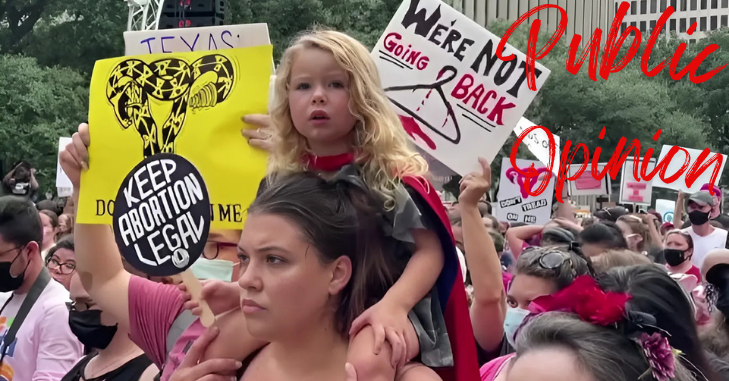
Public opinion on abortion in South Carolina is deeply divided, reflecting broader national trends. These divergent views contribute to ongoing debates in the state legislature and influence political campaigns.Various surveys and polls indicate that:
- Support for Access: A significant portion of the population supports access to safe and legal abortion, particularly in cases of rape, incest, or medical emergencies.
- Opposition to Restrictions: Many South Carolinians oppose restrictive laws like the Fetal Heartbeat Bill, viewing them as an infringement on personal freedoms and medical decision-making.
- Influence of Religion: Religious beliefs play a significant role in shaping attitudes toward abortion. Many conservative religious groups advocate for stricter abortion laws, while progressive faith communities often support reproductive rights.
Additional Information
Resources for Individuals
For individuals seeking information about abortion services in South Carolina, several resources are available:
- Planned Parenthood: Offers a range of services, including education, counseling, and abortion care.
- Local Clinics: Various clinics throughout the state provide reproductive health services and can guide individuals through the process.
- Support Groups: Organizations provide emotional and logistical support for individuals navigating their options.
Conclusion
Abortion laws in South Carolina are characterized by significant restrictions, numerous legal challenges, and a polarized public opinion landscape. As debates over reproductive rights continue, the implications of these laws will affect many individuals’ access to essential health services. Understanding the legal framework, exceptions, consent requirements, and public sentiment is crucial for anyone engaged in discussions about abortion in South Carolina.
Want to know about “What Parents Should Know About Family Law in Canada” Check out our “Family Law” category.
FAQs
In South Carolina, it may be legal to have an abortion if you are six weeks or less along in your pregnancy. In South Carolina, obtaining an abortion requires consent from a parent or legal guardian if you are younger than 17.
In South Carolina, individuals seeking an abortion—except in emergencies—are required to receive counseling from the abortion provider and then wait 24 hours after the counseling session before the procedure can be performed.
January 2023: The original “Fetal Heartbeat Law” is overturned by the South Carolina Supreme Court. The South Carolina Supreme Court struck down the General Assembly’s original “Fetal Heartbeat Law” because it violated the state constitution’s guarantee of privacy.