

Courtroom drama makes great TV.
Real cases are won in quiet rooms.
The public sees opening statements, cross-examinations, and verdicts. Those moments feel big. They look decisive. They seem like the turning point.
They rarely are.
In serious criminal cases, the outcome is often shaped months before a jury walks in. The real leverage sits inside early reports, witness interviews, timelines, and small details that most people would skip.
That is where the case is built. Or lost.
The Myth of the Big Moment
Movies teach us that trials hinge on surprise evidence. A witness cracks. A lawyer lands one perfect question. Gasps in the courtroom.
In real life, surprises are dangerous. Good cases are boring in one specific way: they are predictable. They hold up because the groundwork was solid.
Experienced prosecutors know this. Many will tell you the same thing. If a case feels like it depends on a dramatic moment, something went wrong earlier.
The trial is not where strength is created. It is where strength is tested
The Case File Is the Battlefield
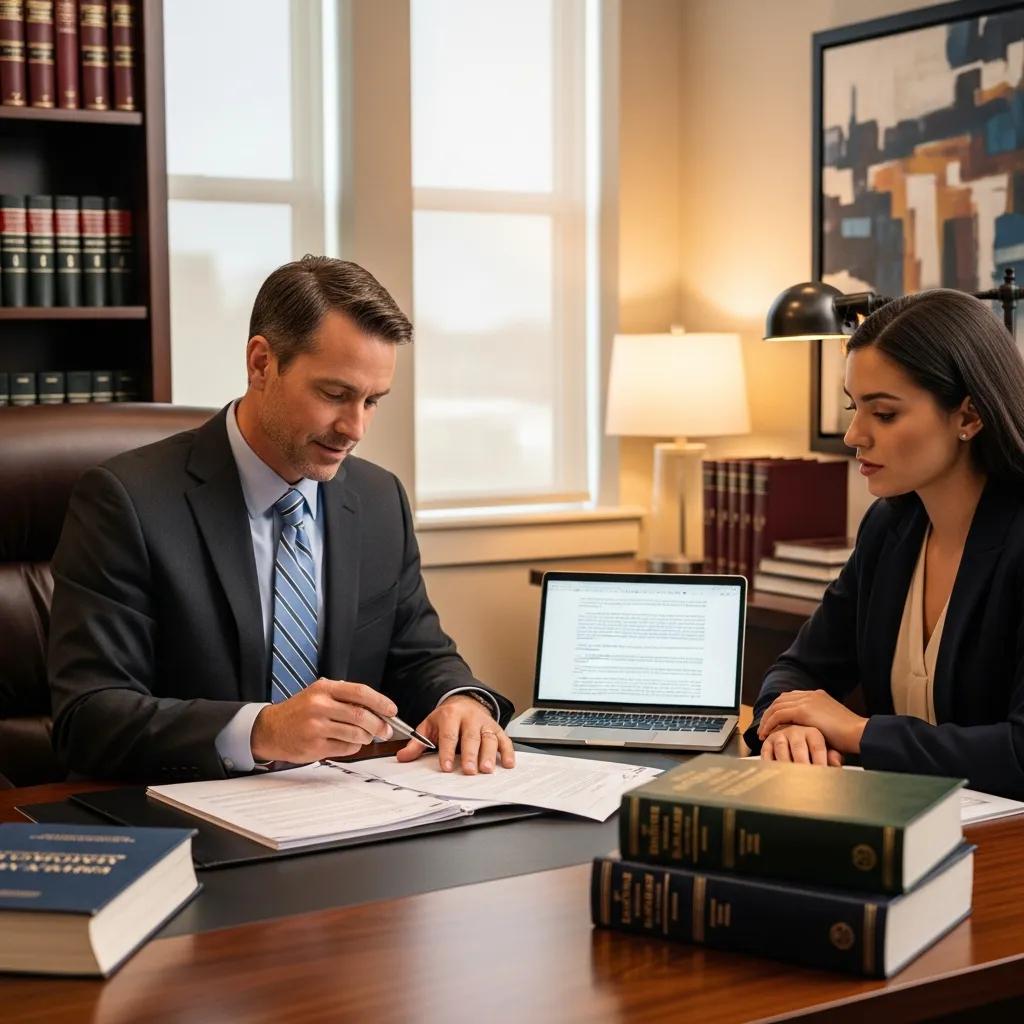
Every case starts as paper. Or a report. Or a folder full of interviews and photos.
At first glance, it appears to be information. Dates. Names. Charges. Statements.
But buried inside those pages are signals.
One timeline might not line up. A witness might use the same phrase twice. A small gap in a report might point to a bigger issue.
Early file review is not clerical work. It is strategic work.
An experienced prosecutor once explained it this way: “If you read a file carefully enough, it starts arguing with itself.” That tension is gold. It shows where to push. It shows where to reinforce.
High-Profile Cases Are Quiet at the Start
Many serious cases appear ordinary at first.
A violent assault case may start with a short incident report. A murder case may begin with a messy scene and conflicting stories. Nothing about those first pages screams “headline.”
What separates strong cases from weak ones is what happens next.
In several high-profile prosecutions handled in Washington County over the years, early inconsistencies shaped everything. A timeline that did not match phone data. A statement that shifted after a second interview. A surveillance camera that captured more than expected.
Those breakthroughs did not happen in court. They happened during careful review.
One veteran prosecutor, reflecting on years of serious cases, said, “The biggest mistake young lawyers make is thinking the trial is the work. The file is the work.”
That perspective has been echoed by Bracken McKey, who spent decades handling violent felony cases. The lesson is simple: if the file is strong, the courtroom gets easier.
Details Tell You Where the Weakness Is
Every case has a weak point.
The question is whether you find it first.
Early file review helps identify three critical pressure spots:
- Credibility gaps
- Timeline errors
- Evidence chain problems
If these issues are caught early, they can be addressed. Witnesses can be re-interviewed. Records can be clarified. Missing pieces can be found.
If they are missed, they surface later in the worst possible moment.
Courtroom drama often comes from earlier oversight.
Why Investigative Groundwork Wins Cases
Investigative groundwork is not flashy. It is structured repetition.
It means checking every timeline against hard data. It means reviewing surveillance footage twice. It means confirming small facts that seem obvious.
In violent crime cases, small facts often anchor the entire theory. A car was parked two houses away. A call was made three minutes earlier than expected. A receipt that shifts a suspect’s location.
These details create stability.
Without them, arguments wobble.
High-profile convictions often look powerful because they feel airtight. That airtight feel comes from groundwork.
The Power of Pattern Recognition
After hundreds of cases, experienced prosecutors read files differently.
They do not just see facts. They see patterns.
They know which details usually collapse under cross-examination. They know which witnesses need more preparation. They know which types of evidence juries trust instinctively.
That pattern recognition does not come from trial performance. It comes from reviewing case after case.
In attempted murder prosecutions, for example, escalation patterns matter. What happened before the incident? Were there warning signs? Prior contact? Shifts in behavior?
Those early signals shape the story long before opening statements are written.
Why Drama Is a Last Resort
When a case relies on drama, it often means the groundwork was thin.
Surprise witnesses and emotional appeals are unpredictable. They depend on reaction.
Strong cases depend on structure.
Structure wins.
The more solid the early investigation, the less you need theatrics.
That is not because courtroom skill does not matter. It does. But skill cannot fix a weak foundation.
Think of it like software development. You can build a flashy interface. But if the core code is unstable, it crashes under load. Early review is debugging. Trial is a deployment.
What Young Lawyers Get Wrong
New prosecutors often rush through early review because it feels slow.
They want action. They want motion. They want momentum.
But speed without clarity leads to a fragile strategy.
One seasoned attorney once described catching a timeline error weeks before trial. The mistake would have unraveled the case if left untouched. Fixing it early required a second round of investigation and extra work.
It also saved the case.
“Boring prep saved us,” he said.
That is not dramatic. It is effective.
Lessons for Any High-Stakes Work
This lesson extends beyond criminal law.
In any high-stakes field, the visible moment is rarely the decisive one.
Product launches succeed because of testing.
Surgical outcomes improve because of preparation.
Major deals close because the groundwork was clean.
The same rule applies in prosecution.
Early case details matter because they shape everything downstream.
Actionable Takeaways for Legal Professionals
If you handle serious cases, here are three habits that strengthen outcomes:
1. Read the file twice before forming a theory.
First pass for facts. Second pass for gaps.
2. Build timelines early.
Visual timelines expose conflicts fast.
3. Question the obvious.
The detail that seems settled often hides risk.
These steps are simple. They are not glamorous. They work.
The Quiet Wins the Loud
Courtroom moments are loud.
Investigative groundwork is quiet.
But quiet work carries the weight.
High-profile cases may end with headlines. They begin with someone reading closely, asking better questions, and refusing to skip the small stuff.
The real turning point rarely happens under bright lights.
It happens at a desk, early, when someone notices a detail that does not fit and decides to chase it.
That is where cases are won.
Apart from that, if you want to know more about Understanding Your Legal Options in an Estate Battle then visit our Find A Lawyer category.