



Aviation law is a highly specialized field that requires extensive legal expertise and deep aviation industry knowledge. An aviation lawyer is crucial in ensuring compliance with regulations, representing clients in legal disputes, and advising businesses on aviation-related matters.
Whether dealing with airline safety, aircraft financing, or liability issues, these legal professionals help navigate the complex web of air travel laws. Given the high stakes involved in aviation, from passenger safety to international trade implications, aviation lawyers are essential for the industry’s smooth operation.
Given the industry’s global nature, aviation lawyers often deal with cross-border legal challenges, airspace rights, and international treaties. Whether advocating for clients in court, advising on business transactions, or managing crises like aircraft accidents, aviation lawyers play a critical role in ensuring legal and regulatory adherence in the ever-evolving world of aviation.
| Aspect | Details |
|---|---|
| Definition | An aviation lawyer specializes in legal matters related to the aviation industry, including airline regulations, aircraft accidents, and aviation business law. |
| Key Responsibilities | Handling aviation accident claims, regulatory compliance, aircraft financing, pilot licensing, aviation business disputes, and FAA regulations. |
| Areas of Expertise | Personal injury claims, aviation contracts, international aviation law, airline liability, insurance claims, and FAA & NTSB regulations. |
| Clients | Airlines, pilots, aircraft manufacturers, airports, air traffic controllers, passengers, and insurance companies. |
| Regulatory Bodies | Federal Aviation Administration (FAA), National Transportation Safety Board (NTSB), International Civil Aviation Organization (ICAO). |
| Education & Licensing | They have a Law degree (JD), bar exam certification, and specialization in aviation law. Some may have a background in aeronautics. |
| Famous Cases | Aviation accident lawsuits (e.g., Boeing 737 MAX litigation), airline bankruptcies, and air safety regulatory disputes. |
| Salary Range | $80,000 – $250,000+ per year, depending on experience and specialization. |
| Challenges | Complex international laws, technical knowledge of aviation, high-stakes litigation, and evolving safety regulations. |
| Importance | Ensures air travel safety, protects passengers’ rights, helps businesses comply with aviation laws, and represents victims in accident cases. |
Aviation Lawyer
An aviation lawyer is a legal professional who specializes in laws and regulations governing the aviation industry. They handle various legal matters, including aircraft accidents, airline compliance, pilot licensing, aviation contracts, and disputes involving airlines, manufacturers, or airport authorities.
Aviation lawyers must understand national and international aviation laws, such as those set by the Federal Aviation Administration (FAA) and the International Civil Aviation Organization (ICAO).
Their expertise extends to handling high-stakes negotiations, regulatory compliance, and litigation related to air travel, making them essential for businesses, pilots, and passengers navigating complex legal issues in the aviation sector.
What Does an Aviation Lawyer Do?
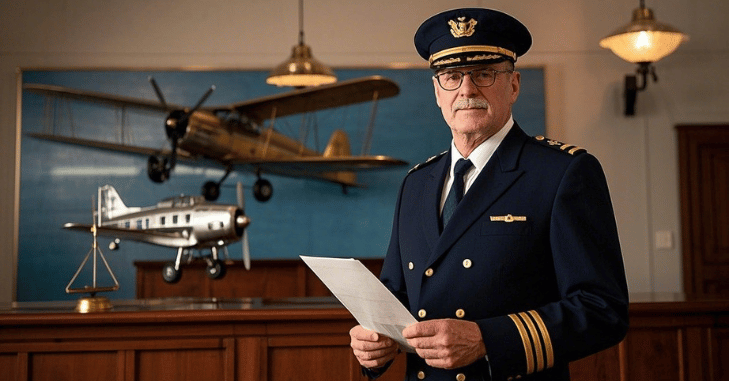
Aviation lawyers handle various legal matters related to the aviation industry. Their responsibilities include:
- Regulatory Compliance – Ensuring that airlines, manufacturers, and operators comply with federal and international aviation regulations, including those set by the Federal Aviation Administration (FAA) and the International Civil Aviation Organization (ICAO). Compliance extends beyond operational safety to areas such as environmental impact, drone regulations, and cybersecurity in aviation systems.
- Litigation and Dispute Resolution – Representing clients in lawsuits involving aviation accidents, personal injury claims, contractual disputes, and insurance claims. These cases often involve multiple parties, including airlines, manufacturers, airport authorities, and governmental entities.
- Aircraft Transactions – Assisting in purchasing, leasing, and financing aircraft, ensuring that all transactions comply with relevant laws and regulations. Aviation lawyers also help negotiate contracts, resolve ownership rights, and financing agreement disputes.
- Personal Injury and Wrongful Death Claims – Representing victims and families affected by aviation accidents to seek compensation. These cases can be complex, often involving international jurisdictions, liability limitations, and airline insurance policies.
- Pilot and Airline Employee Representation – Defending pilots, crew members, and other airline employees in disciplinary actions, licensing issues, and employment disputes. This includes addressing wrongful termination, safety violations, and contractual obligations.
- Insurance and Liability Issues – Handling cases involving aviation insurance claims and liability concerns for manufacturers, operators, and passengers. Aviation liability laws vary by country, and legal experts must navigate these differences to secure fair outcomes for their clients.
- Drone and UAV Regulations – With the rise of commercial and recreational drone usage, aviation lawyers are increasingly involved in regulatory compliance, licensing, and liability cases for drone operators and manufacturers.
Role of Coordination and Technical Expertise in Aviation Law
Aviation law cases often require coordination with multiple stakeholders, including airlines, insurance companies, regulatory authorities, and international agencies. Because aviation incidents can cross national borders, aviation lawyers must carefully interpret overlapping legal systems and international aviation treaties.
They also work closely with technical experts such as aircraft engineers and accident investigators to build strong legal arguments. This combination of legal knowledge and technical understanding allows them to handle highly complex disputes efficiently while ensuring that safety standards and legal obligations are properly enforced.
Why Hiring an Aviation Lawyer Matters for Complex Flight-Related Issues
An aviation lawyer specializes in the unique legal landscape surrounding aircraft operations, regulatory compliance, and accident liability, making them essential for anyone navigating aviation disputes or regulatory challenges.
These attorneys deeply understand Federal Aviation Administration (FAA) rules, airline policies, and international conventions that govern everything from pilot certification and aircraft maintenance standards to aircraft leasing, insurance claims, and injury litigation.
Whether the issue involves defending against enforcement actions, negotiating settlements after an aviation accident, or ensuring compliance with safety regulations, an aviation lawyer helps translate highly technical aviation standards into effective legal strategies. Their expertise minimizes risk and improves outcomes by addressing the intersection of complex aviation regulations and civil law, which can be difficult to manage without specialized legal insight.
Key Areas of Aviation Law

Aviation law covers multiple legal areas, including airline regulations, safety standards, and liability issues. This extends to passenger rights, compensation claims, and security measures within the airline industry. It Involves aircraft ownership, operation, and regulatory compliance for private jets and corporate fleets. Legal considerations also include taxation, import/export regulations, and charter agreements.
Product Liability Deals with cases involving defective aircraft parts, maintenance issues, or design flaws. Aviation lawyers may represent manufacturers, maintenance providers, or airlines facing claims related to aircraft malfunctions. Encompasses legal matters related to airspace usage, pilot licensing, and safety compliance. It includes litigation involving air traffic control errors, runway incursions, and operational hazards.
This area addresses treaties, agreements, and regulations governing international flights and airline operations. Legal professionals in this area work with organizations such as the International Air Transport Association (IATA) and ICAO to ensure compliance. Aviation is a significant contributor to carbon emissions, and lawyers specializing in aviation law must navigate complex environmental regulations, emissions trading schemes, and sustainability initiatives.
Qualifications and Skills Required
Becoming an aviation lawyer requires a blend of legal proficiency and in-depth knowledge of the aviation industry. The journey begins with earning a Juris Doctor (J.D.) degree from an accredited law school and passing the bar exam to practice law in a specific jurisdiction.
A strong grasp of aviation regulations, safety protocols, and airline operations is essential, often gained through industry experience. Additionally, aviation lawyers must possess excellent analytical and negotiation skills, as they frequently handle high-value contracts that require balancing legal considerations with business objectives.
Why You Might Need an Aviation Lawyer

There are many scenarios in which hiring an aviation lawyer is essential, including:
- Airline or Aircraft Operator Facing Legal Issues – Ensuring compliance with FAA regulations or defending against lawsuits. Airlines frequently encounter regulatory challenges, passenger complaints, and operational disputes that require legal expertise.
- Aircraft Purchase or Lease Agreements – Navigating complex contracts and financial arrangements. Legal oversight ensures that all transactions align with legal and financial standards, whether acquiring a single aircraft or an entire fleet.
- Aviation Accident Involvement – Representing victims, families, or aviation companies in litigation. Aviation lawyers may work with accident investigators and aviation safety experts to build strong legal cases.
Conclusion
Aviation lawyers play a pivotal role in ensuring the aviation industry’s safety, compliance, and smooth operation. Whether working for airlines, aircraft manufacturers, pilots, or passengers, these legal professionals help resolve disputes, ensure regulatory adherence, and protect clients’ rights.
The ever-evolving nature of aviation law, driven by technological advancements, environmental concerns, and international regulations, makes the expertise of aviation lawyers indispensable. If you need legal assistance related to aviation, consulting an experienced aviation lawyer can provide invaluable guidance and representation in an increasingly complex legal landscape.
Apart from that if you want to know about “Kennedys Law Firm: A Global Leader in Legal Services, History and Evolution, Global Presence, Notable Cases and Achievements” then please visit our “Legal Advice” Category.
FAQs
You need a law degree (JD), pass the bar exam, and gain specialized knowledge in aviation law through additional coursework, certifications, or experience in aviation-related legal matters.
Costs vary based on experience, location, and case complexity. Some charge hourly fees, while others work on a contingency or flat-fee basis.
Look for lawyers with experience in aviation law, strong client reviews, and a history of handling cases similar to yours. Organizations like the American Bar Association or aviation law associations can help.
They draft and review contracts, handle negotiations, and ensure compliance with aviation regulations for buying, selling, or leasing aircraft.
Aviation lawyers deal with laws such as the Federal Aviation Administration (FAA) regulations, International Civil Aviation Organization (ICAO) guidelines, and various national and international aviation treaties.

