

If you’re thinking “chapter 13 ruined my life,” you may be reacting to years of tight budgeting and court oversight. The plan can protect property, but it can also leave little room for financial surprises. A job loss, medical bill, or car repair can make an approved payment suddenly feel impossible.
A Chapter 13 case can feel ruinous when the payment leaves no room for emergencies or income drops. The filing does not permanently end financial recovery. Depending on your facts, you may still have options like plan modification, conversion, dismissal, hardship discharge, or careful credit rebuilding.
At a Glance
| Issue | What it can mean | Useful next question |
|---|---|---|
| Plan payment | Three to five years of court-supervised payments | Can the plan be modified? |
| Income drop | A once-feasible payment may become unaffordable | Has income or necessary spending changed? |
| Dismissal | The case ends without wiping out covered debts | What collection activity can restart? |
| Home or car | Secured debts may still require ongoing payments | Are arrears and current payments both covered? |
| Credit | The filing remains on consumer reports for years | Are all balances and case statuses accurate? |
| Recovery | Credit and cash reserves can be rebuilt over time | What should happen first? |
Key Takeaways
- A repayment case can protect a home, car, or other property while you reorganize debts.
- The plan commonly lasts three to five years and can require a long period of strict budgeting.
- A material income or expense change may support a request to modify the plan.
- Dismissal ends the automatic stay and does not create a discharge.
- Conversion or hardship discharge may fit some cases, but each has legal consequences.
- Credit recovery starts with accurate reports, stable payments, and a realistic emergency fund.
Why “Chapter 13 Ruined My Life” Feels True for Some Filers
The federal courts’ Chapter 13 bankruptcy basics describe this process as a three-to-five-year repayment plan for people with regular income. Payments may consume projected disposable income, while secured debts and priority claims need special treatment. That structure can make everyday spending feel unusually restricted.
Once a plan is confirmed, it binds the debtor and creditors covered by its terms. The debtor must keep making scheduled payments while managing ordinary living costs. United States Courts also warns debtors not to incur new debt without consulting the trustee.
The pressure becomes harder when the budget has no room for repairs, health costs, or family changes. A plan that worked at confirmation may no longer match real household expenses later. That mismatch often makes it feel like the legal solution became another financial problem.
When a Manageable Plan Becomes Unmanageable
Income changes are a common source of trouble during a long repayment case. Federal bankruptcy law allows some confirmed plans to be modified when circumstances change. A lawyer can assess whether lower payments, different treatment, or another adjustment is legally available.
Housing and vehicle costs can create a second strain. Filing usually stops most collection activity through the automatic stay. Yet homeowners must still handle required ongoing mortgage payments while curing arrears through the plan.
A missed post-filing mortgage or vehicle obligation can put important property at risk. The exact result depends on the plan, loan, local rules, and creditor actions. Review any default notice quickly instead of assuming the bankruptcy still blocks every step.
What Dismissal Changes
Dismissal is not the same as discharge. When a bankruptcy court dismisses a case, the automatic stay generally ends and creditors may resume collection. The dismissal order itself does not erase the remaining debts.
That can mean collection calls, lawsuits, garnishment efforts, foreclosure, or repossession restart when legally permitted. State law and prior court orders can affect timing and available remedies. A dismissal can also affect protections in a later filing.
Before requesting dismissal, compare the immediate relief against the debts and assets still exposed. A short-term escape from plan payments can create a new collection crisis. Get case-specific advice before choosing that route.
What Can You Do If the Payment Is Too High?
- Tell your bankruptcy lawyer about the change now. Provide recent pay stubs, benefit notices, bills, and trustee correspondence.
- Ask whether plan modification fits your facts. A confirmed plan may sometimes be modified after a meaningful financial change.
- Consider converting to Chapter 7. Conversion may be possible, but eligibility, exemptions, property, and debt treatment can change.
- Understand dismissal before requesting it. Ending the case can also end the automatic stay and restore collection risk.
- Ask whether hardship discharge applies. This narrow remedy generally requires circumstances beyond your control and no workable modification.
The right option depends on your income, assets, payment history, and the reason the plan stopped working. A homeowner protecting substantial equity faces different risks than a renter with mostly unsecured debt. A local bankruptcy attorney can compare those paths before you file a motion.
Your case also belongs in a specialized federal court. LawBLink’s subject matter jurisdiction guide explains how a court’s authority depends on the type of case. Understanding the court’s role can make trustee notices and court orders easier to place in context.
Credit Damage Is Real, but It Has an Endpoint
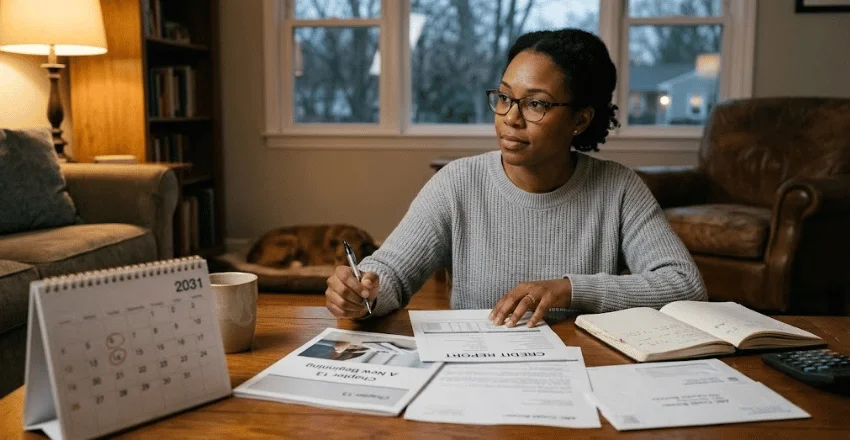
The Consumer Financial Protection Bureau says Chapter 13 bankruptcy generally stays on credit reports for seven years. Another CFPB page says bankruptcy information may be reportable for up to ten years. The difference reflects reporting practices and federal reporting limits, so check your own files.
Recent negative information usually affects credit more than older negative information. Review each credit report and dispute inaccurate balances, dates, or case statuses. CFPB guidance also warns that payday loans usually do not help rebuild credit.
If divorce or joint debt contributed to the filing, pay special attention to shared accounts. LawBLink’s guide to protecting credit during divorce explains ways to monitor and separate joint obligations. Keep bankruptcy orders and account statements so you can support any future dispute.
Rebuilding Money After the Case
A discharge generally prevents collection of qualifying discharged debts. Some liens and nondischargeable obligations can survive, so read the discharge and plan treatment carefully. United States Courts says the discharge usually follows completion of required plan payments.
After discharge, rebuild around predictable cash flow instead of fast credit access. Start with a small emergency reserve, then increase it as your budget permits. LawBLink’s guide to using extra earnings explains why emergency savings and high-interest debt deserve early attention.
Credit rebuilding should be slow and documented. Pay every surviving account on time, keep balances modest, and review reports for errors. If you are still in an active case, discuss any new borrowing with your lawyer or trustee first.
Can Life Become Normal Again After Bankruptcy?
A bankruptcy filing can affect borrowing, housing applications, and financial choices for years. Those effects are serious, but they are not permanent in every area of life. Recovery depends on income stability, accurate credit reporting, and the debts that remain after the case.
Many people focus on their credit score first and overlook their household budget. A stronger recovery starts with cash reserves and manageable fixed costs. New credit helps only when the payment fits without creating another debt cycle.
Frequently Asked Questions
What should I do if I think Chapter 13 ruined my life?
Start by identifying the exact problem causing the pressure. Separate an unaffordable payment from a dismissal threat, credit problem, or secured-debt default. Then take that specific issue to a qualified bankruptcy lawyer before making a major case decision.
Can I lower my plan payment?
Sometimes, you can modify a confirmed repayment plan after your financial circumstances change. The court, trustee, creditors, and local procedures can affect what modification is available. Do not reduce or stop payments on your own without legal advice.
What happens if my case is dismissed?
The case ends without the ordinary discharge that follows successful completion. The automatic stay generally ends, so creditors may restart lawful collection activity. The dismissal order does not erase the debts.
Can I convert the case to Chapter 7?
Federal bankruptcy materials state that a debtor may convert a repayment case to Chapter 7. Conversion can change how property, exemptions, secured debts, and discharge rules affect you. Review eligibility and asset risk with counsel before converting.
How long will the bankruptcy affect my credit?
CFPB materials say Chapter 13 bankruptcy is generally listed for seven years. Federal law can permit bankruptcy information to remain reportable for up to ten years in some situations. Check your reports because the exact reporting history matters.
What is a hardship discharge?
A hardship discharge is a limited option for someone who cannot complete plan payments. United States Courts says strict conditions apply, including circumstances beyond the debtor’s control and no workable modification. Its scope is narrower than a standard discharge upon completion.
Next Step: Get Case-Specific Advice
If the payment no longer matches your finances, gather your plan, recent income records, expenses, and trustee notices. Ask a local bankruptcy attorney which legal option addresses the problem without creating a larger one. Bring information about any home, car, tax, support, or student-loan obligations.